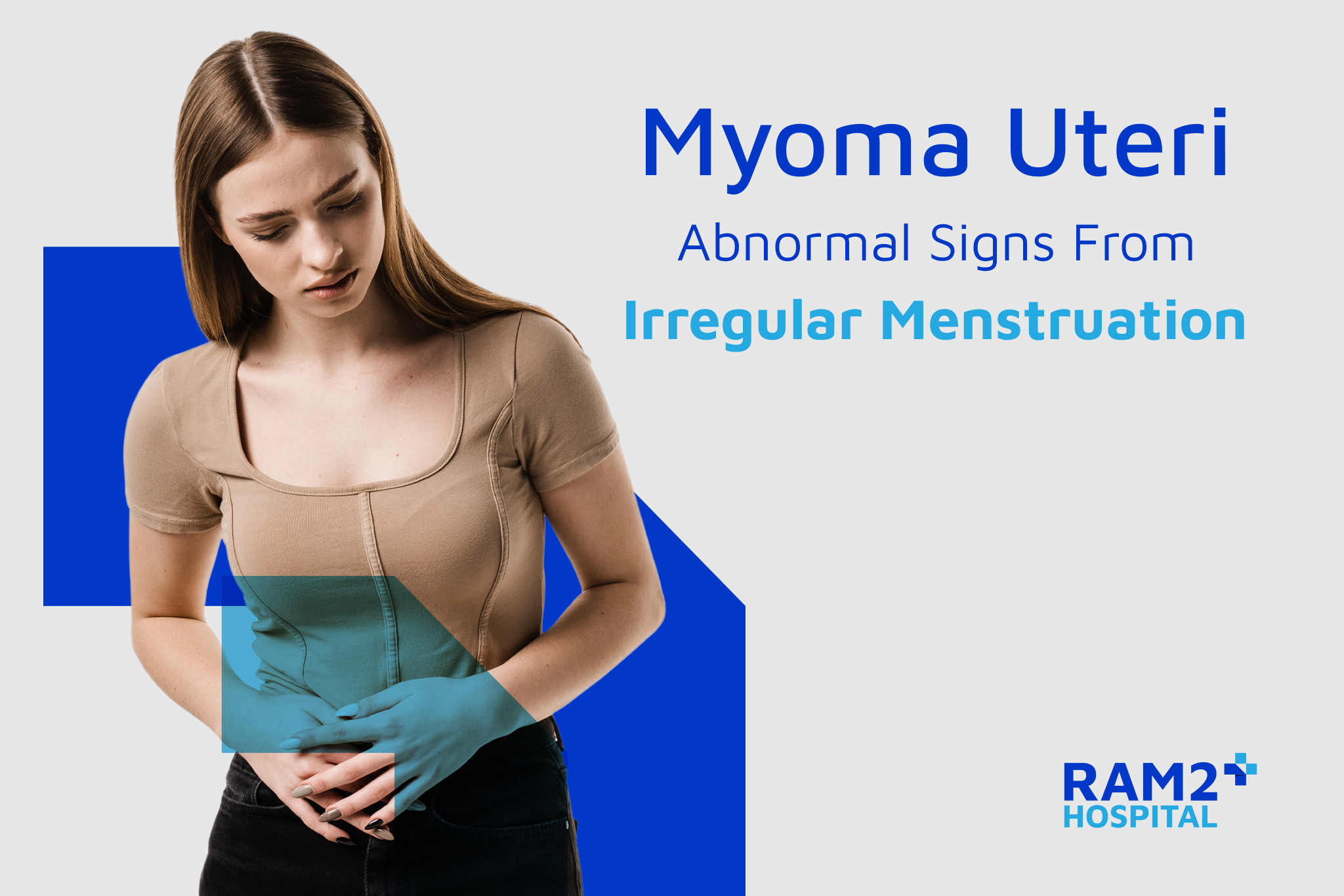
Abnormal menstrual cycles can be a significant indicator of the presence of uterine fibroids. These are commonly observed in women between the ages of 30 and 50 and typically present with a variety of symptoms.
Types of Uterine Uteri
- Intramural Fibroids: Located within the muscular wall of the uterus, these are the most frequently encountered type.
- Subserosal Fibroids: Situated on the outer surface of the uterus.
- Submucosal Fibroids: Positioned within the uterine cavity.
Symptoms of Uterine Uteri
- Dysmenorrhea is more severe than usual.
- Persistent, dull pelvic pain even outside of menstruation.
- Intermenstrual bleeding, characterized by blood clots or spotting.
- Increased urinary frequency with reduced output.
- Abnormal bloating and constipation.
Management of Uterine Uteri
- Monitoring: Regular follow-up of symptoms and fibroid size through transabdominal ultrasound every 6 months to 1 year.
- Medical Treatment: Administration of medication to alleviate pain.
- Surgical Intervention: Available in two primary forms:
- Conservative Surgery: Involves the removal of only the fibroid(s), typically considered for patients desiring future fertility.
- Hysterectomy: Excision of the entire uterus along with the fibroids (can be performed via open surgery or laparoscopically).
Further Details: Laparoscopic Surgery for Uterine Fibroids
For more information please contact:
 Obstetric & Gynecology Department, 1st Floor, RAM 2 Hospital
Email: information@ram2-hosp.com
Line Official: @ram2
Tel: 02-032-3888
Recommend Doctor Obstetrics & Gynecology
Recommend Package