Dr. ALISARA CHAT-ISSARAWACH
Surgery


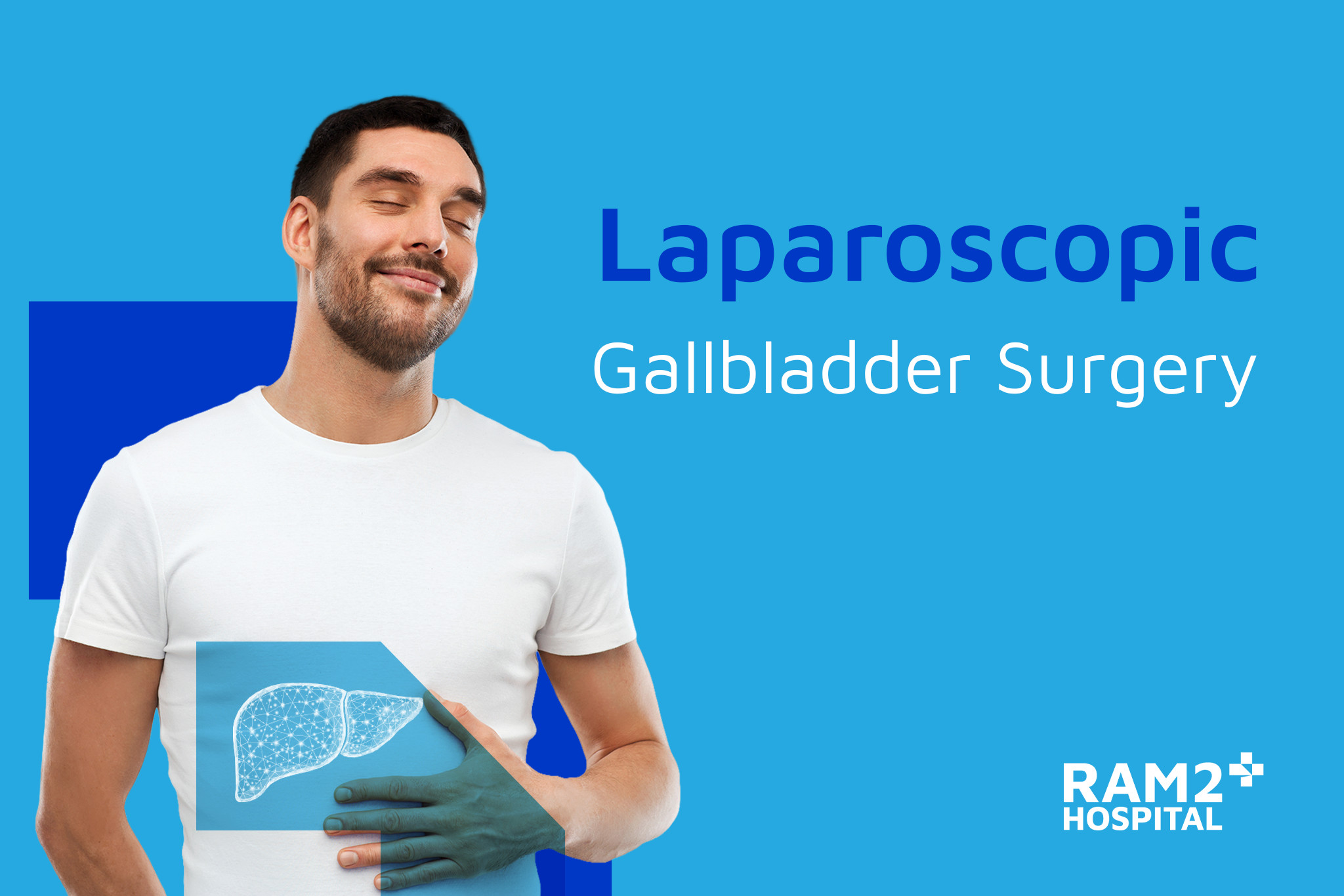
Abdominal pain, particularly from gallstones, is a common complaint. While gallstones can affect anyone, they are more prevalent in women over 40. Currently, medication and shockwave therapy are ineffective for dissolving gallstones; surgical removal of the gallbladder is the most effective treatment. This can be done via open surgery or laparoscopic surgery.
Common symptoms include:
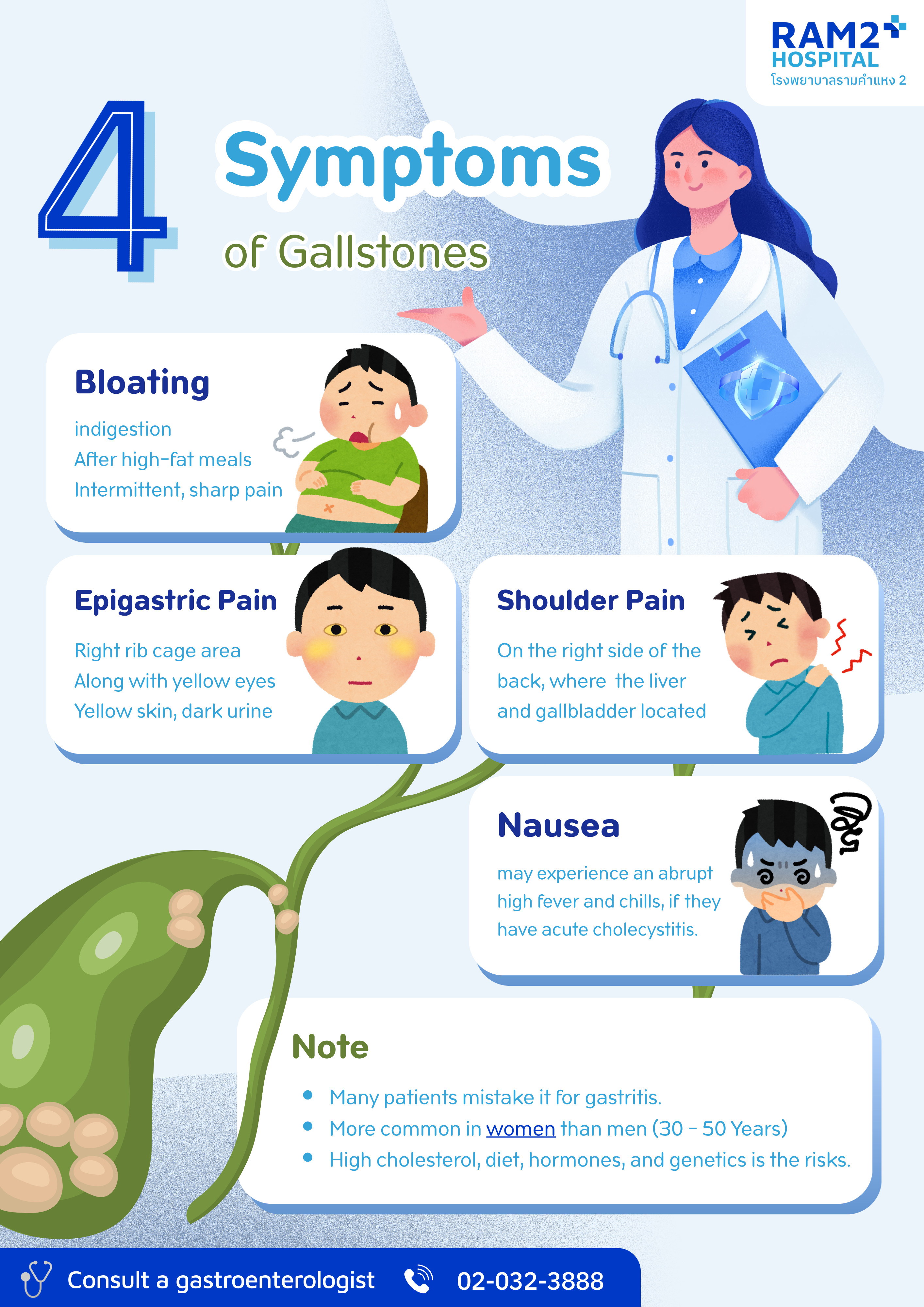
Most gallstones are asymptomatic and discovered incidentally during routine checks or imaging, like X-rays or ultrasounds. For symptomatic individuals, diagnosis involves:

There are two primary surgical approaches:
Under general anesthesia, the surgeon makes small incisions to insert instruments and remove the gallbladder. The incisions are then sutured. Hospital stay is typically 2-3 days, followed by 1-2 weeks of home recovery.
Laparoscopic surgery may be converted to open surgery if severe adhesions or inflammation are present.
Before surgery, patients undergo:
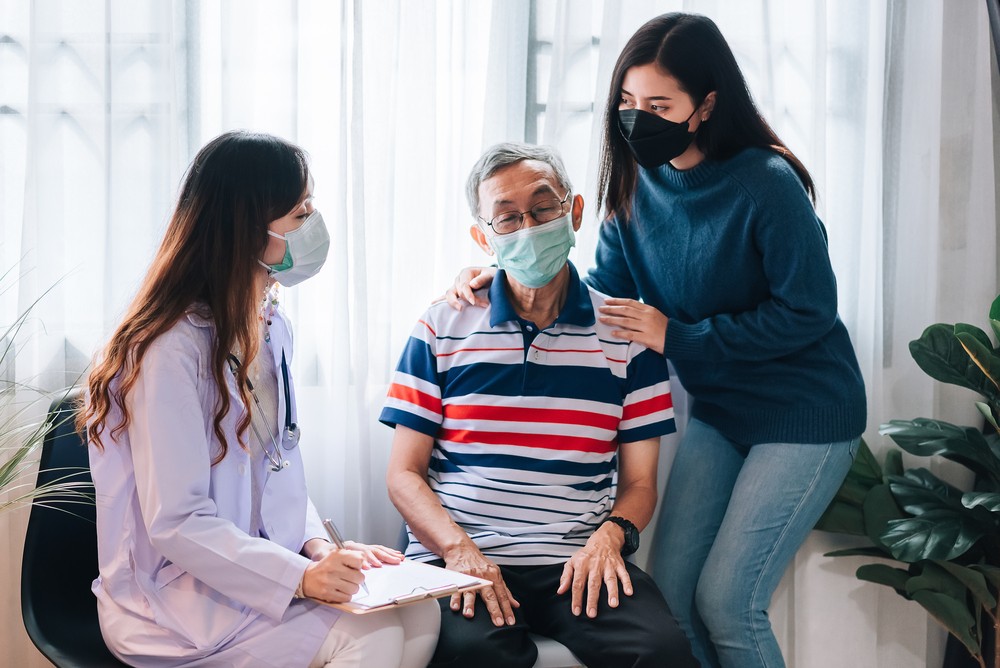
If you experience frequent or prolonged abdominal pain, consult a doctor. Early detection of gallstones leads to a laparoscopic surgery success rate of up to 95%.
For more information, please contact:
 Surgery Department, 1st Floor, RAM2 hospital
Email: information@ram2-hosp.com
Line Official: @ram2
Tel: 02-032-3888, 095-771-9739
Recommend the Doctor Surgery Department

Dr.Alisara Chat-issarawach
Breast Cancer Surgery / Breast
RAM 2 Hospital


Dr.Wantun Chotsamitkul
Surgery
RAM 2 Hospital

Surgery

Gastroenterology

Surgery

Surgery