
Dr. NATTHAKORN THANAMITSOMBOON
Radiotherapy and Oncology

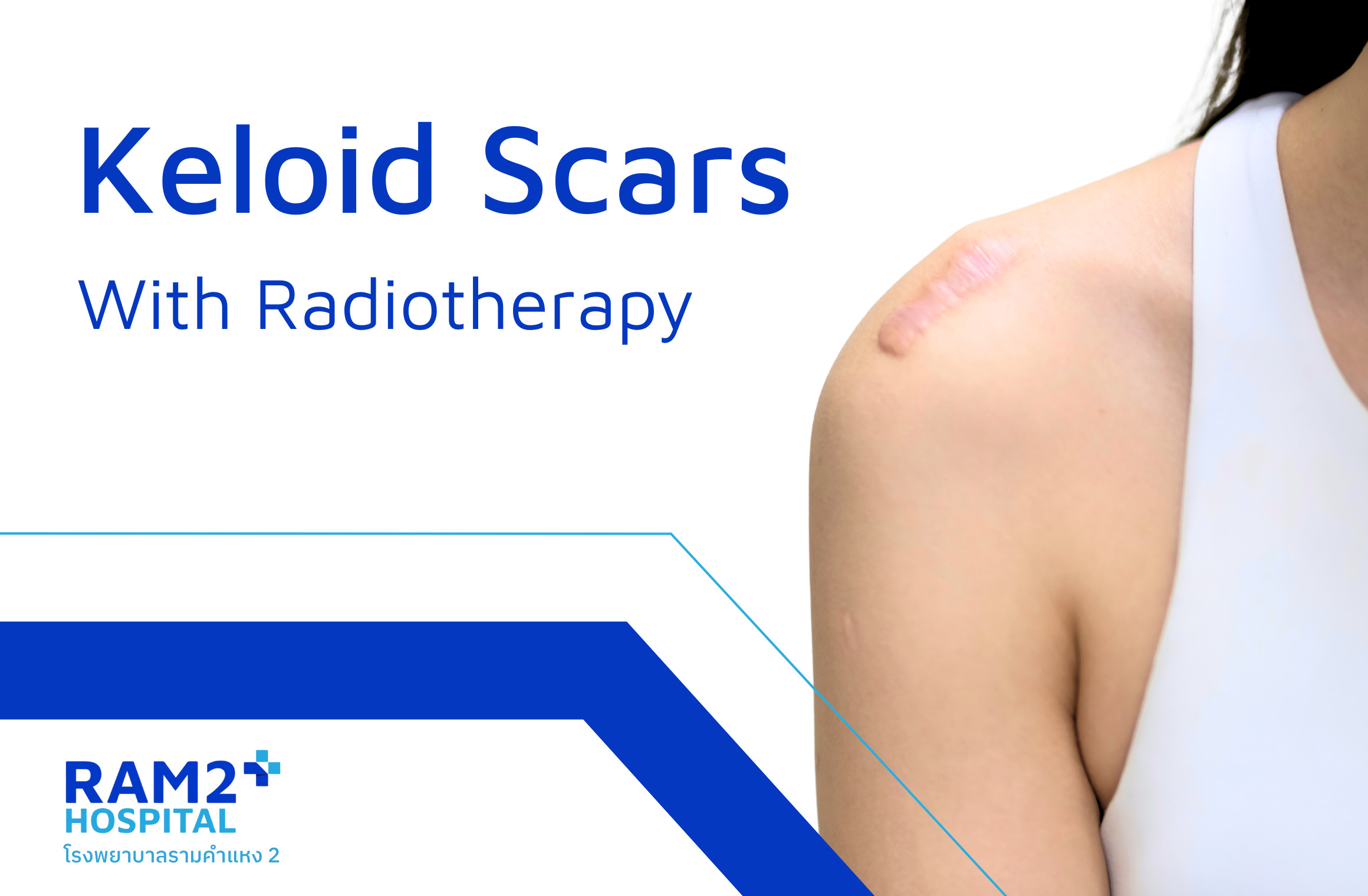
Keloid scars are a type of raised scar resulting from excessive tissue growth beyond the original wound boundaries, typically due to overproduction of collagen during healing.
This treatment involves surgical excision of the keloid, followed by targeted radiation therapy to the scar area. Radiation aims to inhibit abnormal tissue growth and is typically administered in 1 to 3 sessions, commencing within 24 hours post-surgery for optimal recurrence prevention.
Consider radiation for:
The radiation oncology team will create a simulated image of the scar area using a CT scan to design a personalized radiation plan. For complex scar shapes, custom radiation shields may be fabricated. (This phase typically takes 1-3 hours.)
Each session lasts approximately 15-30 minutes. The patient lies in a precise, pre-planned position. Radiation shields are applied, and skin markings are made. Radiation is delivered to the designated points, with subsequent sessions scheduled if additional radiation is required.
Skin irritation is common within the first 2-3 weeks post-treatment and usually resolves spontaneously. Patients may experience discomfort or irritation in the irradiated area, which gradually improves over approximately 6 weeks.
The surgeon will schedule follow-up appointments for suture removal. During this period, diligently observe the scar for any abnormal changes or concerns, and promptly consult your surgeon for evaluation.
For More Information, Please Contact
 4D Radiotherapy Center LINAC Center
Email: information@ram2-hosp.com
Line Official: @ram2
Tel: 02-032-3888
Recommended Doctors

Dr. Natthakorn Thanamitsomboon
Radiotherapy and Oncology
RAM 2 Hospital


Dr. Achiraya Teyateeti
Radiotherapy and Oncology
RAM2 Hospital

Dr. Pitchaya Sakyanan
Radiotherapy and Oncology
RAM 2 Hospital

Dr. Warissara Rongthong
Radiotherapy and Oncology
RAM 2 Hospital
Radiotherapy and Oncology


