Dr. THEERAPORN KERDSAMANG
Pediatrics



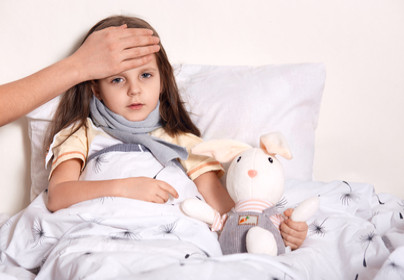
Chickenpox (Chickenpox) is a common viral infection in childhood caused by the Varicella-Zoster Virus. This disease is known for its ability to spread rapidly, especially in places where children gather in large numbers, such as schools, nurseries, or playgrounds. Many children often present with symptoms of "itchy blisters, fever, red rash" - warning signs and care tips.
Although this disease is mostly mild and resolves on its own, it causes considerable concern for parents. This article will guide everyone through understanding the warning signs, proper treatment methods, and preventive guidelines for the safety of your little one.
The chickenpox virus is very easily transmitted through 2 main channels:
Patients can transmit the infection to others starting 1-2 days before the first rash or blister appears and will continue to spread it until all blisters are completely dry and crusted over, which generally takes about 1 week from the date blisters first appeared.

Observing symptoms from the early stages helps parents cope and isolate the child from others in a timely manner. Symptoms are usually divided into 2 main phases:
Over 2-3 days, the clear blisters will become cloudy, thick, and gradually dry into scabs that fall off on their own in 1-2 weeks.
Since chickenpox is caused by a virus, treatment is symptomatic to make the child more comfortable and prevent complications:
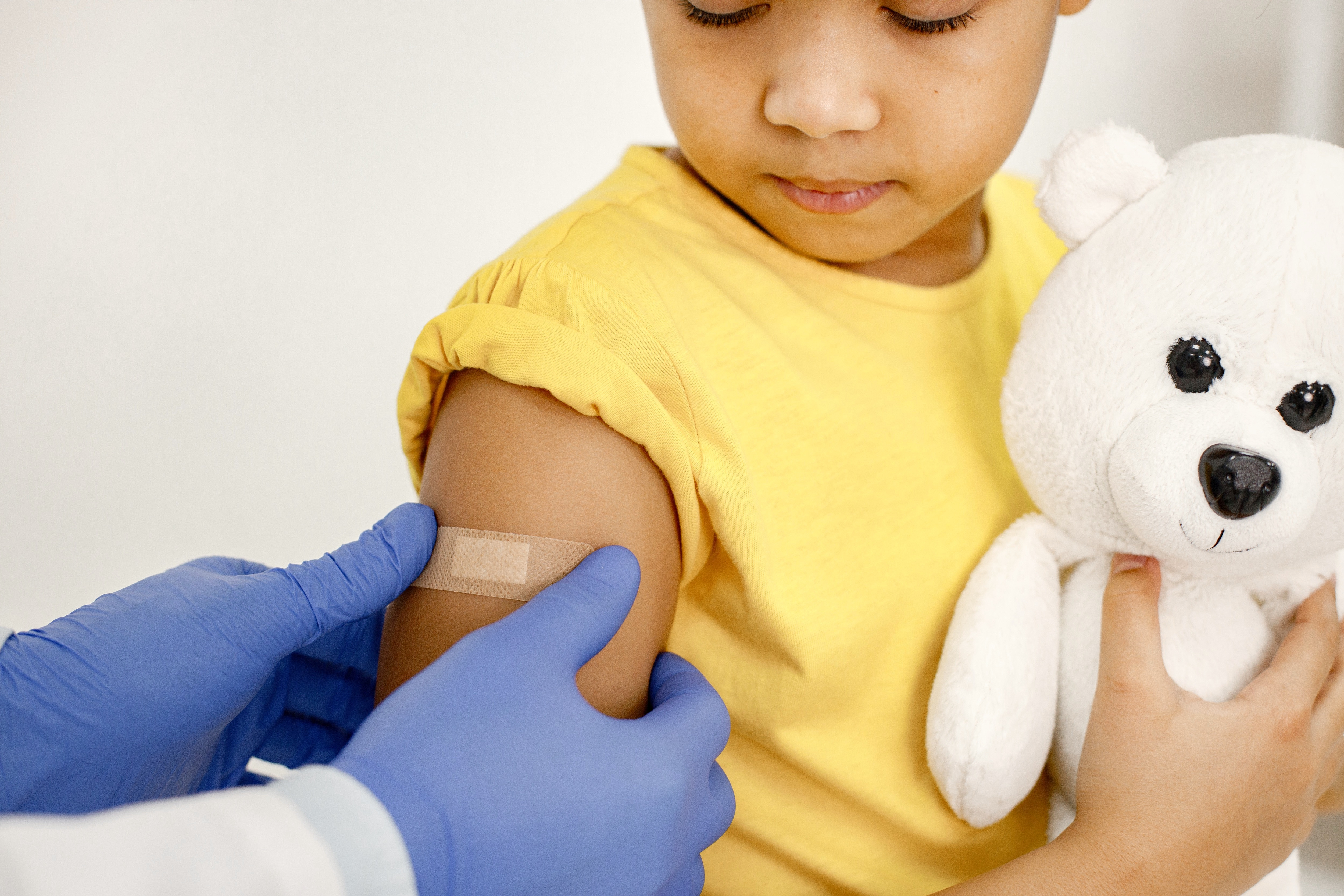
The most effective way to prevent chickenpox is by getting the Varicella Vaccine (Varicella Vaccine) which significantly reduces disease severity and infection chances:
Q1: Can chickenpox recur ?
A: Generally, once infected, lifetime immunity is acquired and it usually does not recur. However, the virus remains hidden in nerve ganglia, and when immunity decreases in adulthood or old age, the virus may reactivate in the form of shingles (Shingles) .
A: Spicy foods, very salty foods, or high-acid foods should be avoided if the child has blisters in the mouth, which cause more irritation and pain. It is recommended to eat soft foods that are easy to swallow, such as warm porridge or rice soup (not too hot), and drink sufficient clean water.
A: If the child does not pick or scratch until blisters break and secondary bacterial infection occurs, the marks will gradually fade and disappear naturally. However, if deep inflammation or infection occurs, there is a chance of leaving pitted scars.
Although chickenpox is a common childhood infection that usually resolves on its own, it requires proper care to prevent scarring and secondary infections. Early symptom observation, strict hygiene care, and taking children for scheduled preventative vaccinations are the best shields to help children stay away from the severity of the disease and grow up strong and safe.
For more information, please contact:
 Pediatric Department 1st Floor, Ramkhamhaeng 2 Hospital
Email: information@ram2-hosp.com
Line Official: @ram2
Tel: 02-032-3888, 095-771-9739
Recommended Packages



Pediatrics
Radiotherapy and Oncology

Neonatal and Perinatal Medicine