


Dr. SUPAKANYA KUNGSUWAN
Pediatric Pulmonology


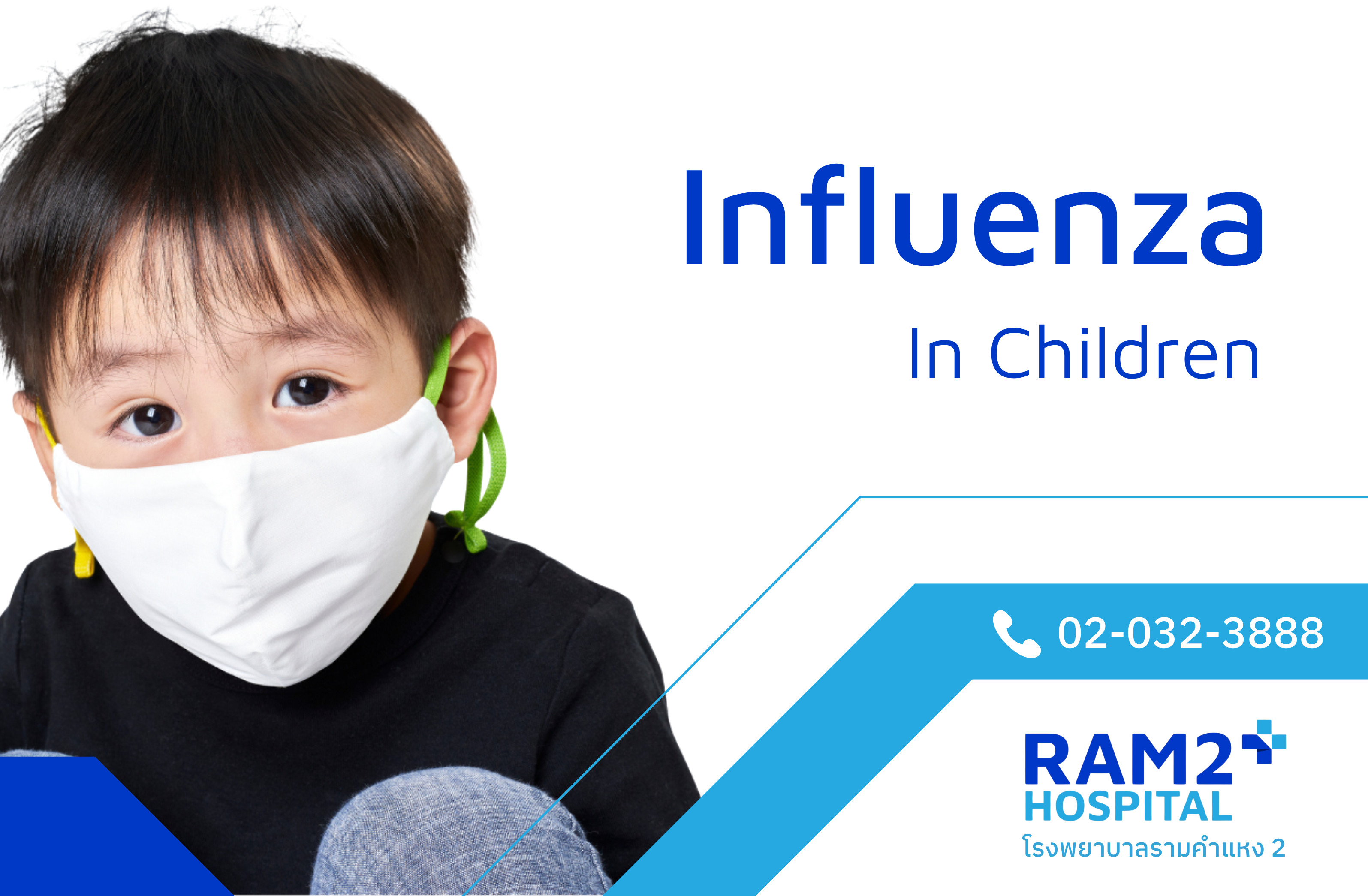
Influenza is a viral infection commonly found in children and is more severe than the common cold. It typically occurs during the rainy and winter seasons and spreads easily from person to person through droplets from coughing, sneezing, or contact with virus-contaminated surfaces. Children are more prone to severe symptoms and complications compared to adults, as their immune systems are not fully developed. Recognizing symptoms, understanding treatment, and implementing preventive measures are therefore essential for parents.
Influenza is caused by the Influenza virus, which has three main types:
*The incubation period of the virus is around 1-3 days

Influenza symptoms in children may initially resemble a common cold but can progress to more severe conditions. Common symptoms include:
In some cases, complications such as ear infections, pneumonia, or gastrointestinal issues (including vomiting and diarrhea) may occur. High fever-induced seizures can also be dangerous if not treated promptly.
Treatment mainly focuses on relieving symptoms. In severe cases or when complications are likely, the main treatments include:

The most effective way to prevent influenza is through vaccination. The influenza vaccine is safe and highly effective in reducing the severity of the illness, as well as the risk of complications, especially in children with underlying conditions or weak immune systems.
Influenza in children is preventable and treatable with proper care. Children should receive the flu vaccine yearly, as the virus strain changes annually, and previous vaccines may not cover the current strain. Parents should closely monitor their child's symptoms and seek medical attention if the child shows severe symptoms or does not respond to home treatment to prevent complications.
For more information, please contact:
 Pediatric Department, 1st Floor, RAM 2 Hospital
Email: information@ram2-hosp.com
Line Official: @ram2
Tel: 02-032-3888, 095-771-9739
Recommend Doctor Pediatric Department

Dr.Titapa Chookiat
Neonatal and Perinatal Medicine
RAM 2 Hospital


Dr.Supakanya Kungsuwan
Pediatric Pulmonology
RAM 2 Hospital

Dr.Onnicha Chaiseksamphan
Pediatrics Allergy
RAM 2 Hospital

Dr.Warisa Uthayo
Pediatric Endocrinology and Metabolism
RAM 2 Hospital
Recommend Package

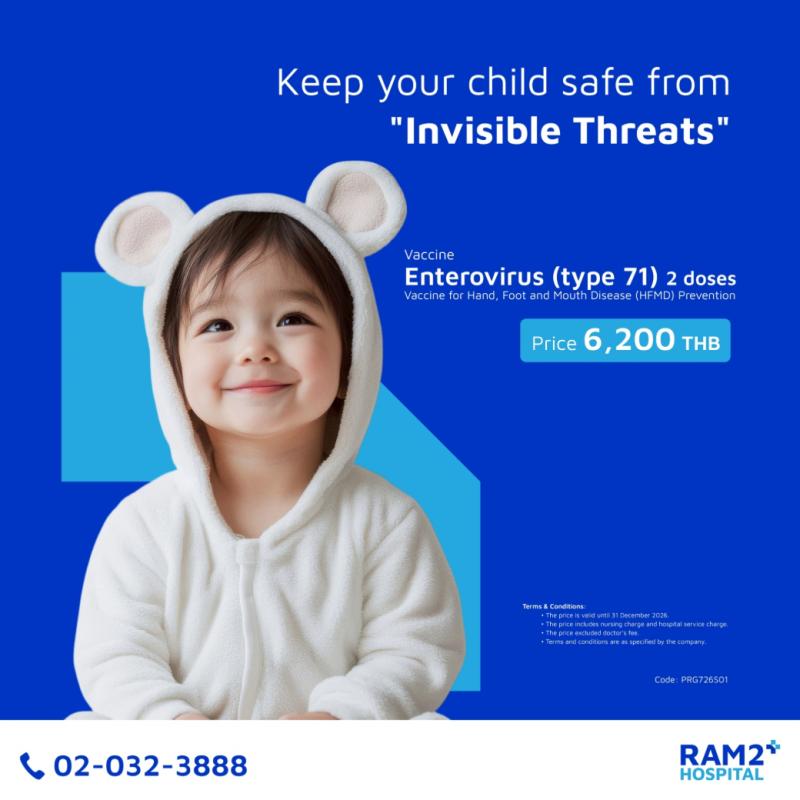
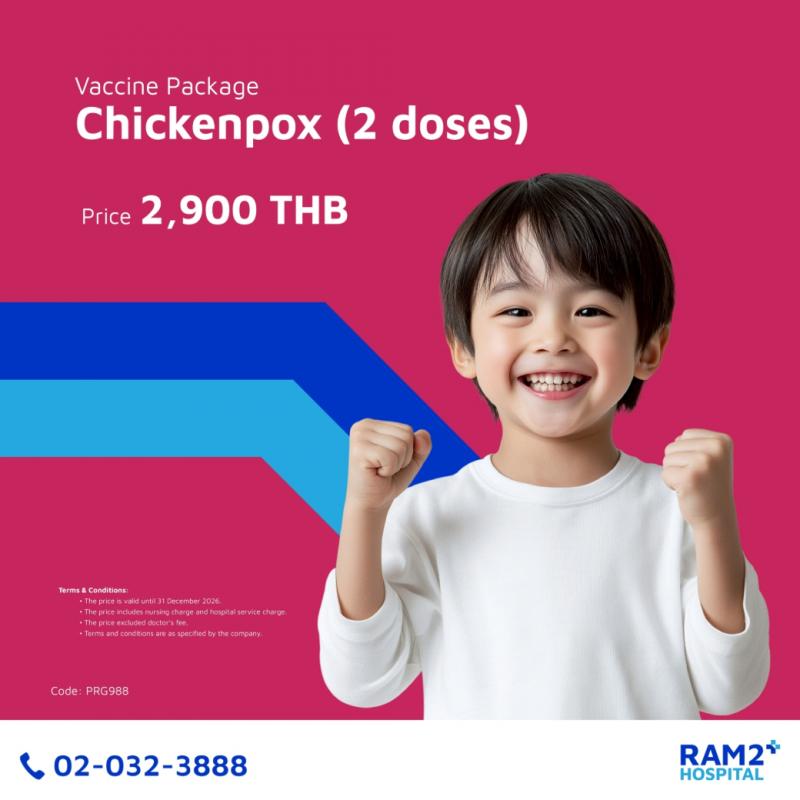
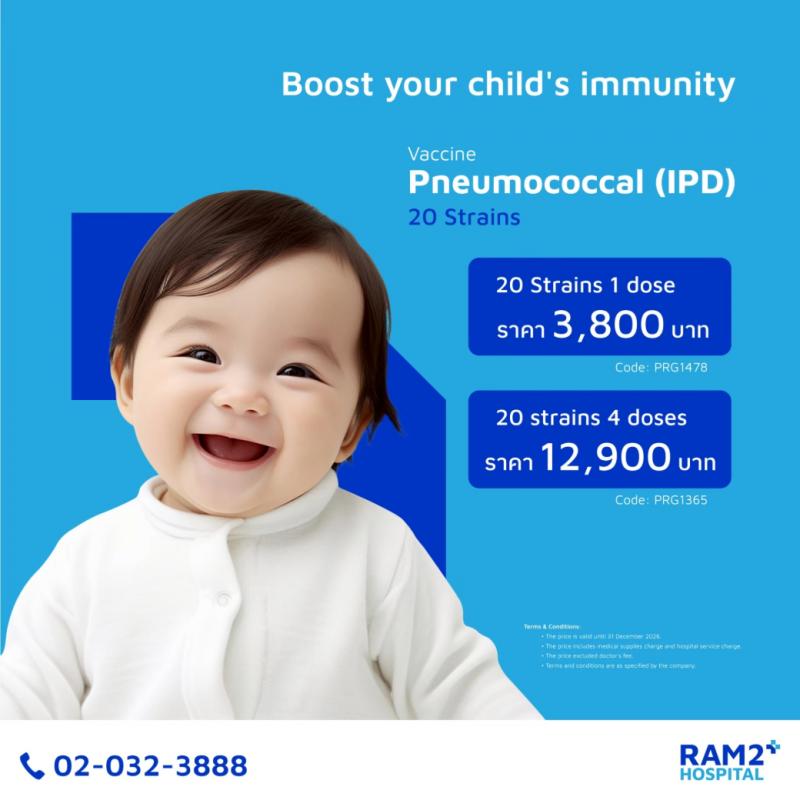

Pediatric Pulmonology