Messenger

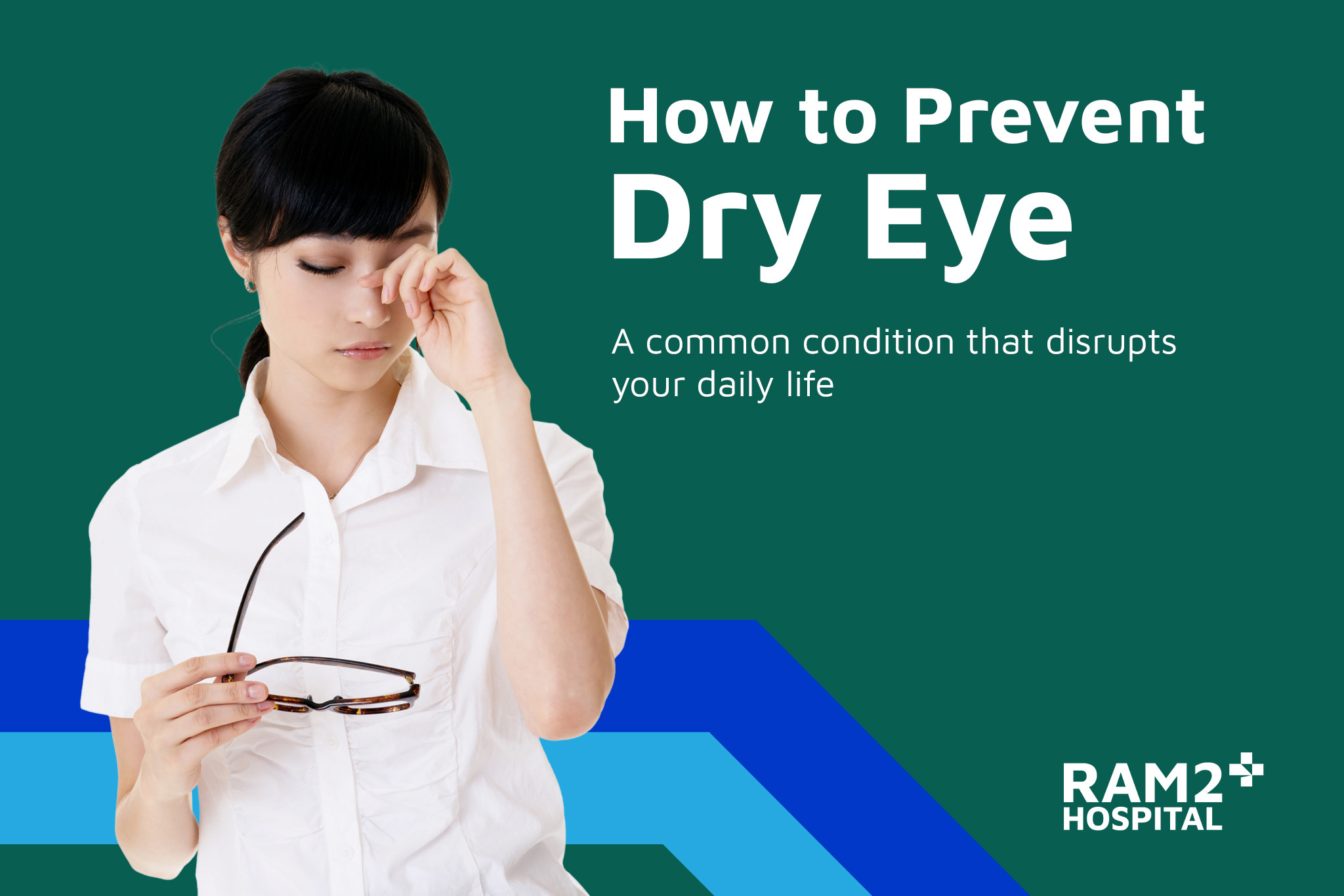
Dry Eye: A Common Condition That Disrupts Your Daily Life

October 23 / 2026

dry eye disease


     Dry Eye Disease is one of the most common ocular surface diseases. It can arise from multiple causes and contributing factors. The hallmark of dry eye disease is the loss of tear film homeostasis, leading to tear instability. This instability may result from decreased tear production or excessive tear evaporation, accompanied by symptoms such as ocular discomfort, irritation, and visual disturbances.


Types of Dry Eye

Dry eye can be classified into two main categories based on its underlying cause:


1.  Decreased Tear Production

     Decreased tear production includes conditions like Sjögren's syndrome dry eye, age-related dry eye, lacrimal gland damage from various causes, chronic lacrimal gland inflammation, radiation therapy to the head and neck, cicatricial conjunctivitis (e.g., Stevens-Johnson syndrome, toxic epidermal necrolysis, trachoma, chemical injuries), and neural abnormalities that reduce tear production. A significant factor in this category is the use of contact lenses.


2.  Excessive Tear Evaporation

     Excessive tear evaporation includes eyelid disorders, particularly meibomian gland dysfunction (MGD), and ocular surface conditions such as allergic conjunctivitis. Contributing factors include prolonged use of preservative-containing eye drops, vitamin A deficiency, tear instability from extended digital device use, and working in office environments.


Risk Factors for Dry Eye

  • Non-modifiable factors: autoimmune diseases and meibomian gland dysfunction.
  • Modifiable factors: digital screen usage, contact lens wear, air pollution, low humidity (e.g., office environments or sick building syndrome), certain medications (e.g., antihistamines, antidepressants, anxiolytics, isotretinoin), and facial Botox injections.


dry eye


Symptoms

  • Blurred vision
  • Ocular discomfort: irritation, foreign body sensation, burning, frequent blinking, red eyes
  • Excessive tearing (may worsen with sunlight or wind)
  • Poor sleep quality
  • Orbital or headache pain
  • Eyelid twitching


Complications

     The primary complication is corneal abrasion, which can lead to severe issues such as corneal infections, scarring, tissue degeneration, and corneal perforation.


dry eye


Dry Eye Treatment

The primary goals of treatment are to restore tear production, reduce ocular surface inflammation, and correct eyelid abnormalities.


  • Artificial tears: are available in liquid or gel form.
  • Punctal plugs: to reduce tear drainage.
  • Anti-inflammatory eye drops: (e.g., corticosteroids, tear stimulants, non-steroidal anti-inflammatory drugs) under strict medical supervision.
  • Warm compresses and eyelid hygiene: for meibomian gland dysfunction.
  • Environmental modifications: to reduce risk factors.
  • Dietary supplements: Omega-3 and omega-6 fatty acids, vitamin A.


Types of Artificial Tears and Usage Recommendations

  • Preservative-containing artificial tears: should be suitable for mild symptoms; recommended 3-4 times/day.
  • Preservative-free artificial tears: for moderate to severe dry eye; recommended for frequent use or when using other preservative-containing eye drops.


Note:

Antibiotic or antihistamine eye drops should not be used for treating dry eye as their compositions are intended for different purposes. Always follow medical advice for proper treatment.


References

  • Kawalin Lekhanon. (2018). Dry Eye Disease. Bangkok: Ramathibodi Textbook Project, Faculty of Medicine, Ramathibodi Hospital, Mahidol University.
  • Craig JP, Nichols KK, Akpek EK, et al. TFOS DEWS II Definition and Classification Report. Ocul Surf. 2017;15:276-83.


For more information, please contact:
 Ophthalmology Department, 1st Floor, RAM 2 Hospital
Email:
information@ram2-hosp.com
Line Official: @ram2
Tel: 02-032-3888