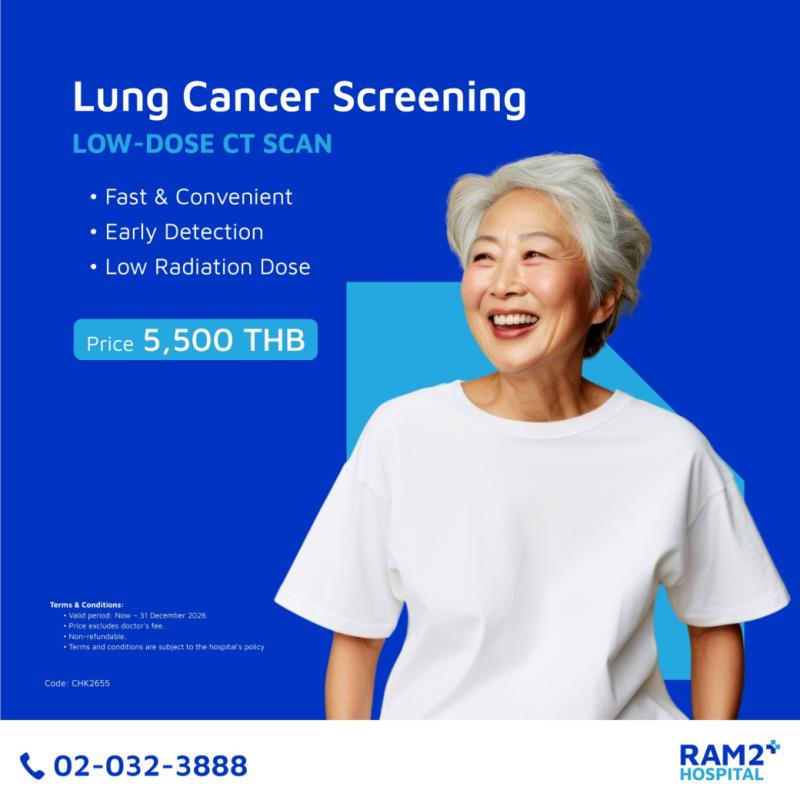

Lung cancer is a prevalent cancer in both men and women and the leading cause of cancer-related deaths worldwide. Its early stages often present without symptoms, making early detection difficult.
Lung cancer treatment is complex. The lungs are constantly moving vital organs located near critical structures like the heart and major blood vessels, necessitating extreme caution during surgery. Lung cancer also tends to metastasize easily. Therefore, treatment involves a multimodal approach, combining surgery, radiation therapy, and systemic therapies like chemotherapy, immunotherapy, or targeted therapy, to maximize success rates.
Before detailing the differences, it's essential to understand the two primary steps in radiation therapy:
During both simulation and actual treatment, patients must lie still on a treatment couch with immobilization devices to ensure the radiation beam precisely targets the planned area. For most other cancers (e.g., brain, head and neck, lymphoma), the tumor remains relatively stationary during these processes.
However, lung tumors constantly move with respiration, making radiation therapy particularly challenging:
If the radiation field is narrowly defined, it might not fully cover the tumor's movement during breathing. The direction of movement varies for each patient, depending on factors like tumor location, size, and adherence to adjacent organs. This can lead to the tumor not being effectively eradicated (Figure 1).
Figure 1: Illustrates lung tumor movement and radiation field. If the field is too narrow, it may not cover tumor movement.
Expanding the radiation field to encompass all possible tumor movement (due to unknown movement directions) increases radiation exposure to surrounding healthy organs (Figure 2).
Figure 2: Illustrates expanding the radiation field to cover lung tumor movement when the direction is unknown.
To overcome these limitations, Surface Guided Radiotherapy (SGRT) is a technology that precisely monitors patient breathing during radiation, allowing for accurate planning aligned with individual lung tumor movement. This enhances treatment efficacy for optimal patient benefit (Figures 3 and 4).
Figure 3: Illustrates radiation fields that are either too small, missing tumor movement (top), or too large, increasing side effects on surrounding organs (bottom)
(Figure 4: Illustrates a radiation field precisely aligned with tumor movement, detected by SGRT, enhancing treatment efficacy.)
Lung cancer often presents asymptomatically in its early stages, and its treatment is complex. Utilizing SGRT in lung cancer radiation therapy ensures patients receive only the necessary radiation, significantly improving treatment efficacy.
Ramkhamhaeng 2 Hospital's Radiation Therapy Center offers advanced 4D technology and a team of specialized radiation oncologists and oncologists. We provide highly effective treatment to allow you to live a happy life again, aiming to alleviate and ease your burden.
For more information, please contact
 4D Radiotherapy Center LINAC Building, RAM 2 Hospital
Email: information@ram2-hosp.com
Line Official: @ram2
Tel: 02-032-3888
Recommended Doctor

Dr.Natthakorn Thanamitsomboon
Radiotherapy and Oncology
RAM 2 Hospital

Recommended Package