
Breast Cancer is one of the most common cancers found in women worldwide. Although men can also develop breast cancer, it is more prevalent in women, particularly those over 40 years of age. Men have a 1 in 100 chance of being diagnosed with breast cancer. This disease is often called a silent threat because it typically does not show symptoms in its early stages. Breast cancer is caused by the abnormal growth of cells in the breast, which can spread to other parts of the body if not treated promptly.
Causes and Risk Factors
The exact cause of breast cancer is still unknown. Still, several risk factors can increase the likelihood of developing the disease, including both controllable and uncontrollable factors:
- Genetics: A family history of breast cancer increases the risk. If there are mutations in the BRCA1 and BRCA2 genes, the risk of developing breast cancer can rise to 40-65%.
- Age Increasing age is a significant factor; women over 40 have a higher risk of breast cancer.
- Hormonal Changes Using hormone replacement therapy during menopause may increase the risk.
- Lifestyle and Health Behaviors: Obesity, a diet high in fats, and excessive alcohol consumption are risk factors for breast cancer.
Symptoms of Breast Cancer
Commonly observed symptoms of breast cancer include:
- A lump in the breast or underarm area
- Changes in the shape or size of the breast
- Changes in the skin of the breast, such as thickening or an orange-peel texture
- Inverted nipple or discharge from the nipple
- Chronic breast pain or inflammation
Breast Cancer Stages
Staging helps doctors assess the size of the tumor and the spread of cancer cells and plan appropriate treatment. Breast cancer is generally staged as follows:
- Stage 0 Cancer is confined to the surface layer of the milk ducts or lobules.
- Stage 1: The tumor is small or has spread to no more than 3 lymph nodes.
- Stage 2: The tumor is larger or has spread to nearby lymph nodes.
- Stage 3: The tumor is large and has spread to multiple lymph node groups or nearby tissues.
- Stage 4 Cancer has spread to other organs, such as the lungs, liver, or bones.

The Diagnosis of Breast Cancer
Diagnosis can be performed using several methods, including:
- Clinical Examination: If symptoms are present, it is recommended to see a doctor for diagnosis.
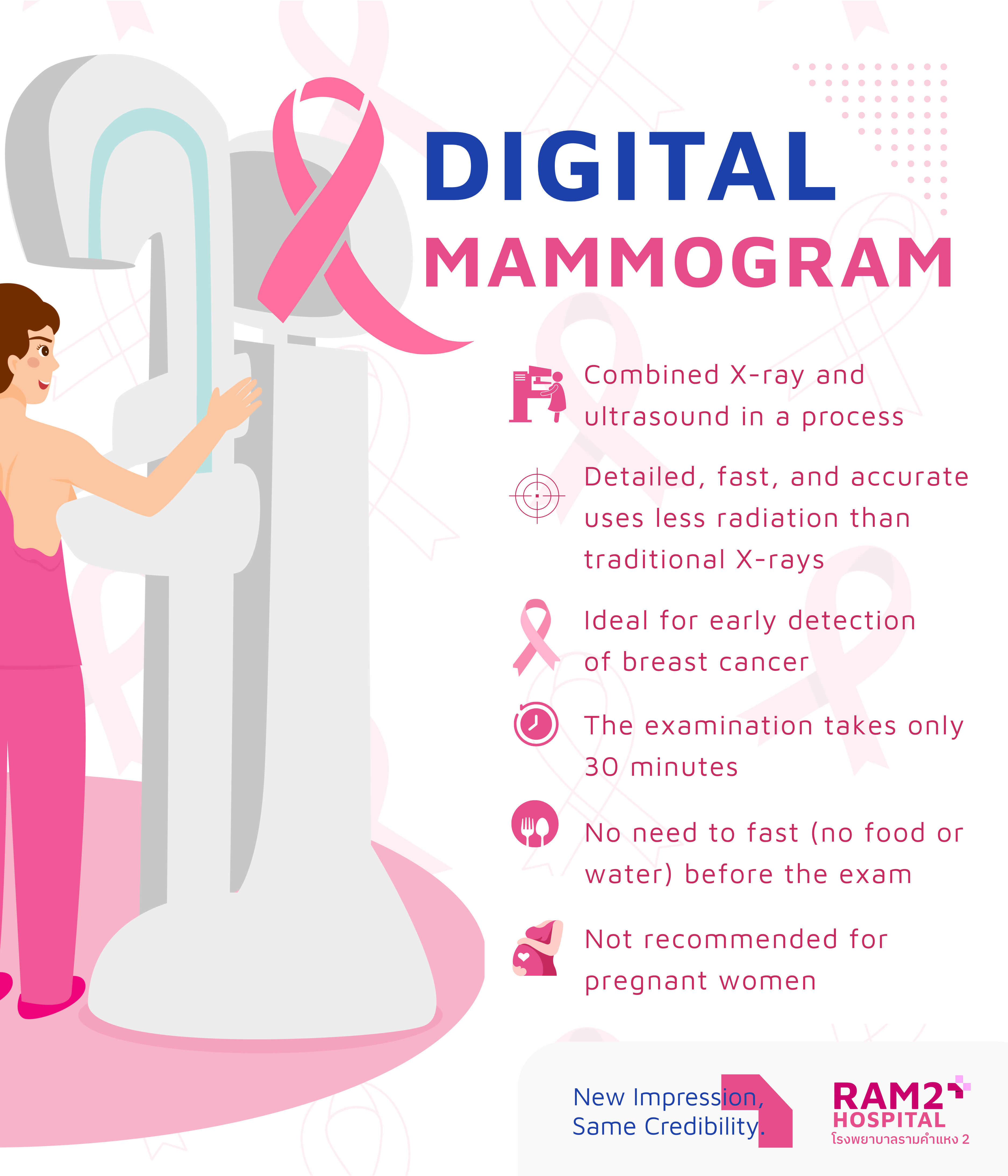
- Mammogram: An X-ray method used to detect lumps or abnormal calcifications in the breast; regular screening is advised for women over 35.
- Ultrasound uses sound waves to diagnose abnormalities in the breast.
- Biopsy: If a lump is detected, a tissue sample may be taken to confirm if it is cancerous.
- For asymptomatic patients, regular screening is recommended.
The Treatment of Breast Cancer
Treatment varies depending on the stage of the disease, the type of cancer, and the patient’s overall health. The main treatment options include:
- Surgery Options include lumpectomy, mastectomy (removal of one or both breasts), and breast reconstruction.
- Chemotherapy uses chemicals to destroy cancer cells before or after surgery.
- Radiation Therapy Uses radiation to kill remaining cancer cells after surgery to reduce recurrence risk.
- Hormonal Therapy For hormone-sensitive cancers, medication can reduce hormone production to lower the recurrence risk.
- Targeted Therapy Medications specific to certain types of breast cancer can improve recovery chances and reduce recurrence risk.

The Prevention of Breast Cancer
While breast cancer cannot be completely prevented, lifestyle changes can help reduce the risk, such as:
- Regular exercise (at least 30 minutes a day).
- A healthy diet, avoiding high-fat foods.
- Avoiding smoking and excessive alcohol consumption.
- Regular health check-ups and screening as recommended by a physician to catch cancer early and increase treatment success.
RAM2 Hospital has a dedicated team of specialists to assist from the initial breast cancer screening to treatment. This includes a multidisciplinary team for comprehensive patient care.
Breast cancer often presents no warning signs in its early stages, making it essential to pay special attention and receive proper care. Early detection and timely treatment can significantly increase the chances of a cure, so women need to undergo regular breast cancer screenings every year.
Read more: RAM2 Hospital attended the VCC - Vibharam Cancer Conference 2024 on “Breast Cancer”
For more information, please contact:
Surgery Department, 1st Floor
Email: information@ram2-hosp.com
Line Official: @ram2
Tel: 02-032-3888, 095-771-9739
Recommend the Doctor Surgery Department
Recommend Package