Shingles is a viral infection caused by the Varicella Zoster virus (VZV), the same virus that causes chickenpox. In the initial infection, symptoms of chickenpox appear, such as blistering rashes all over the body. After recovering from chickenpox, the virus remains dormant in the body, hiding in nerve clusters. When the body is weakened due to insufficient rest, stress, or age-related immune decline, the virus can reactivate and lead to shingles.
Symptoms of Shingles
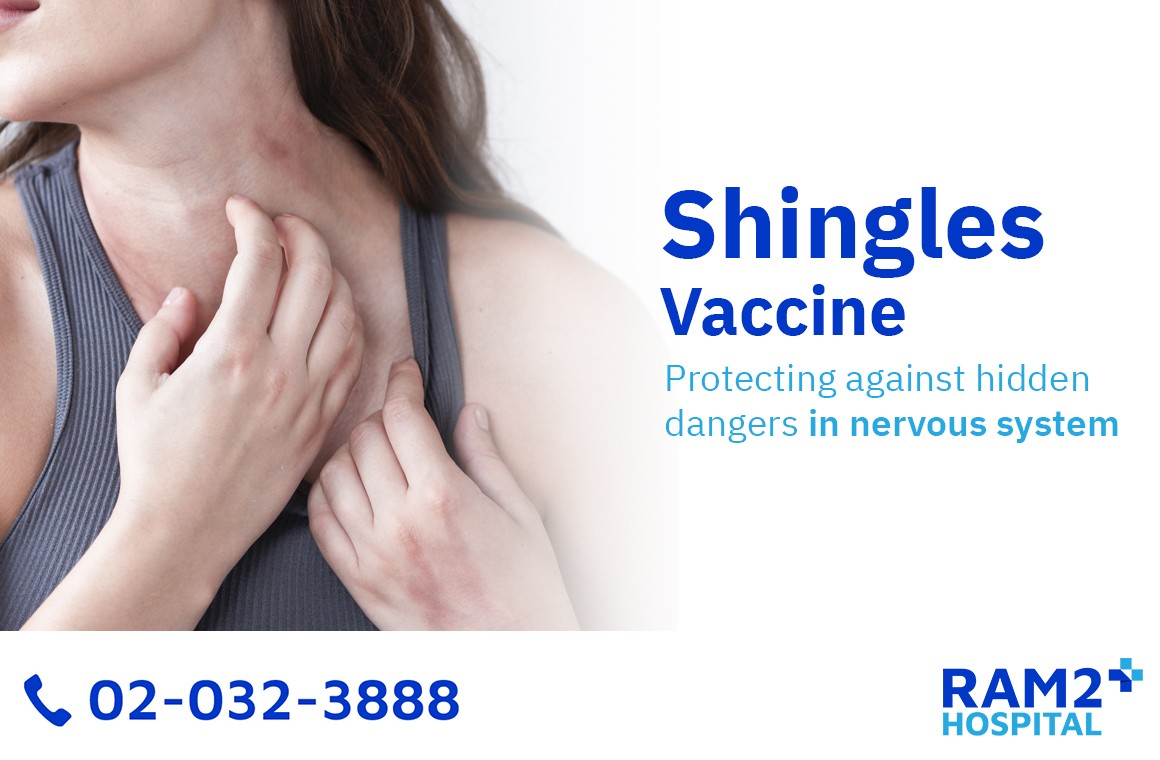
Patients typically experience burning pain in the skin. After a few days had passed, a red rash appeared in the area of pain, developing into fluid-filled blisters. Some cases may also experience fever. The rash usually clusters or forms a long line along one side of the body’s nerve pathways, eventually breaking out into sores. These sores scab over and generally heal within two weeks, though some may still experience pain along the nerve pathway even after the sores have healed.
Read more: 'Shingles' ... A serious risk for the elderly.
The Complications
- Postherpetic Neuralgia is persistent nerve pain lasting for months or years after the rash has resolved.
- Bacterial Skin Infections can lead to scarring.
- Ocular Shingles Affecting the Eyes.
- Meningitis Inflammation of the Protective Membranes covering the brain and spinal cord.
- Stroke and Myocardial Infarction increased the risk of these vascular issues.
- Facial Paralysis Half of the face may become paralyzed.
High-Risk Groups for Shingles
- Individuals aged 50 and older.
- Those who have weakened immune systems due to illness or medication.
- Those who have been with underlying health conditions such as heart disease, diabetes, respiratory diseases, kidney disease, rheumatoid arthritis, and liver disease.
The Treatment of Shingles
- Antiviral Medications Administering antiviral drugs promptly, especially within the first 72 hours of the rash, can shorten the duration of the illness and reduce the risk of complications.
- Skin Care keep the affected area clean and avoid scratching to prevent bacterial infections.
- Dressing the Blisters using saline solution and a gauze compress on the blisters for about 10 minutes, twice a day, can help them heal faster.
- Hospitalization seek hospital care if symptoms are severe.

Shingles Vaccine
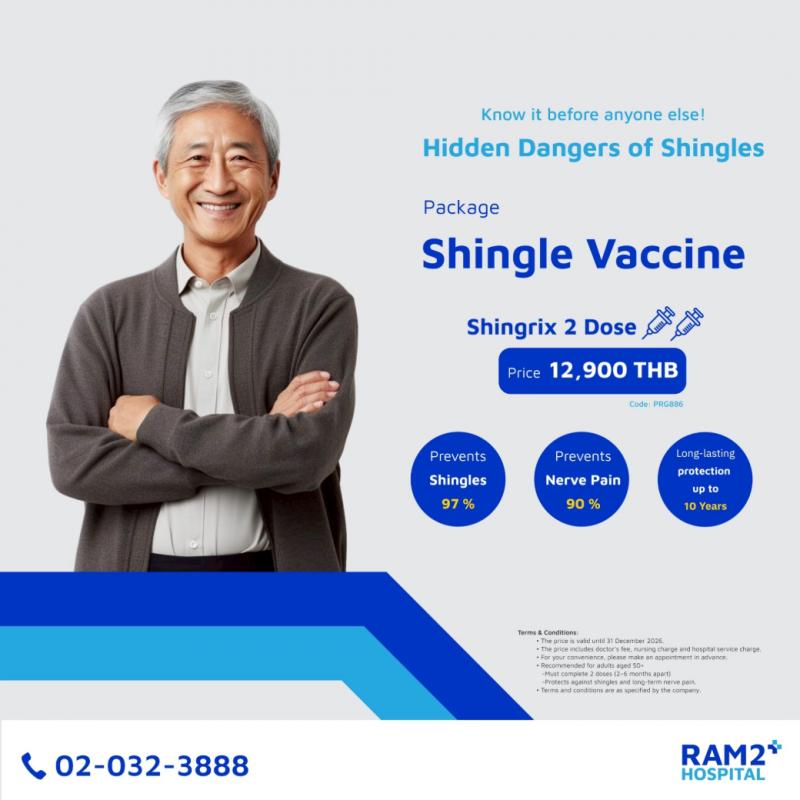
The shingles vaccine (Recombinant Zoster Vaccine) is an essential method for enhancing protection against shingles. If someone has had the disease, they can still receive the vaccine to prevent recurrence, ideally at least 6 months after recovery. There are two types of shingles vaccines:
Types of Shingles Vaccines
- Shingrix is the inactivated vaccine that is suitable for adults aged 50 and older, as well as for individuals aged 18 and above who are at risk of weakened immune systems. One dose of Shingrix can reduce the incidence of shingles by 50% and decrease nerve pain by 70%.
- Zostavax Another type of vaccine uses a weakened form of the Varicella-zoster virus and is intended for individuals aged 50 and older to boost immunity against shingles. However, it is not recommended for pregnant women or individuals with weakened immune systems, such as those with immune deficiencies.
How Many Doses?
Typically, the shingles vaccine is administered in 2 doses, spaced 2 to 6 months apart. However, the physician will assess the patient's condition to determine the appropriate number of doses. It is important not to receive this vaccine simultaneously with the polysaccharide pneumococcal vaccine.

Post-Vaccine Recommendations
- Observation stay for at least 30 minutes to monitor for any reactions.
- Home Monitoring after returning home, keep an eye on symptoms, as mild fever, chills, or headache may occur following the shingles vaccine, but these should gradually subside. If symptoms worsen, consult a doctor.
- Pain Management If there is pain or swelling at the injection site, apply a cold compress.
- Regular Health Examinations attend follow-up appointments as scheduled.
- Avoid Close Contact Stay away from individuals exhibiting shingles symptoms, especially if you have never had chickenpox, as this could lead to chickenpox infection.
- Stress Management manage stress, ensure adequate rest, engage in regular exercise, and maintain good hygiene.
The Protection of Shingles
After receiving the shingles vaccine, patients should:
- Avoid close contact with anyone showing shingles symptoms, as those who have never had chickenpox may become infected.
- Manage stress, get enough rest, exercise regularly, and maintain good hygiene.
For more information please contact:
 Dermatology Department, 1st Floor, RAM 2 Hospital.
Email: information@ram2-hosp.com
Line Official: @ram2
Phone: 02-032-3888
Recommended Doctor