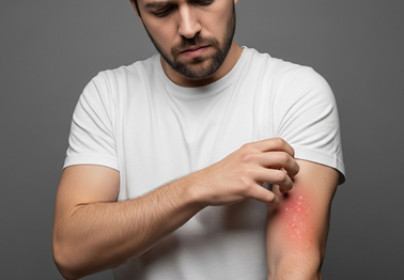



Keloid is a type of raised scar that develops when the body produces excessive collagen to repair a wound. It is often firm, extends beyond the original wound boundaries, and can cause itching or pain, leading to self-consciousness. Even after surgical removal, keloids have a high chance of recurring.
Radiation therapy is a common supplementary treatment used to reduce the chance of a keloid recurring after it has been surgically removed. The radiation is applied to the scar area to inhibit the activity of fibroblasts, the cells responsible for creating collagen. This process reduces new collagen formation, preventing the recurrence of a raised scar.
Radiation slows down or kills the fibroblasts left after surgery, controlling excessive collagen production. The radiation targets only the superficial skin layers in the scar area. A doctor will determine the appropriate dosage and number of sessions for each patient.
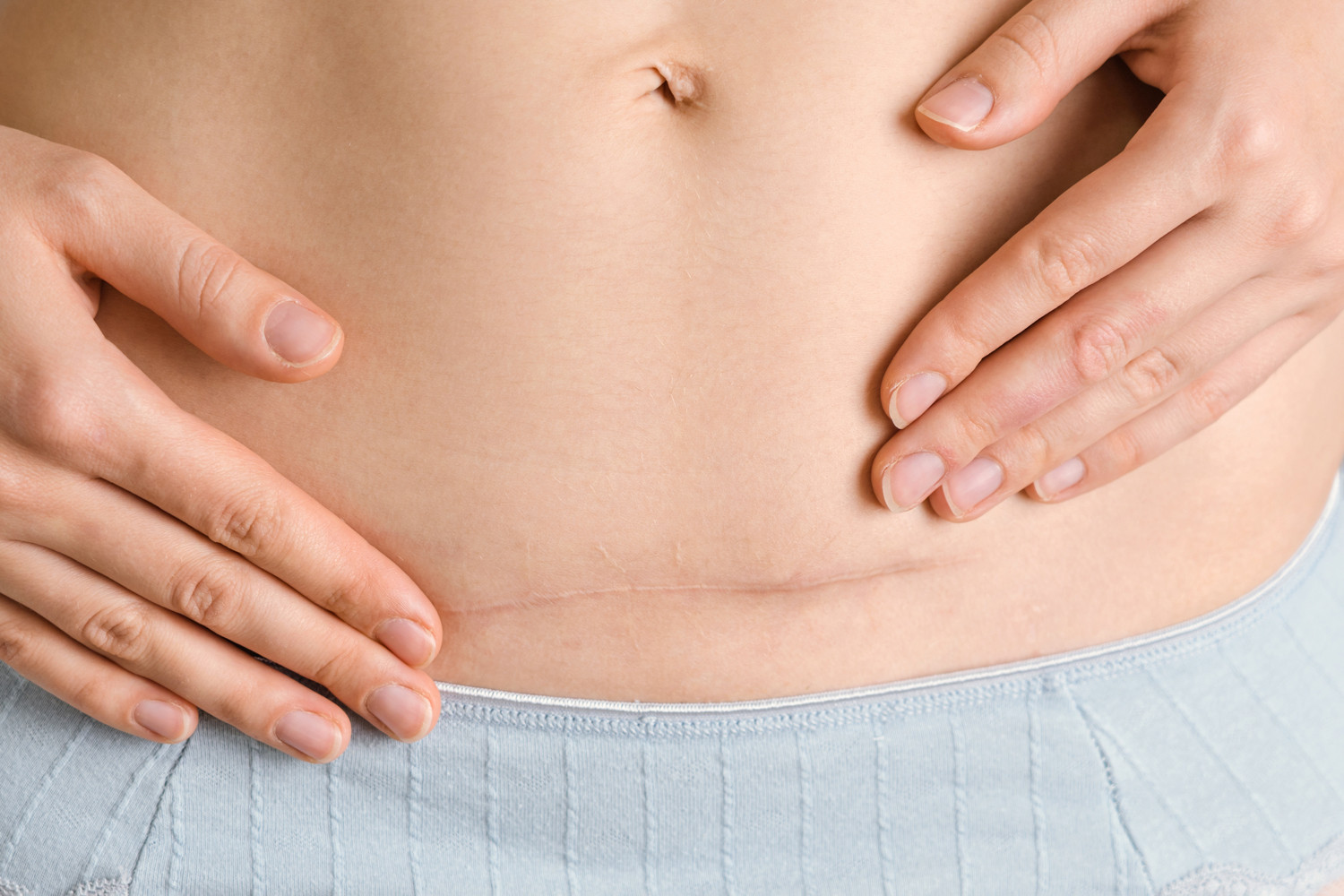
Post-operative radiation therapy significantly lowers the recurrence rate of keloids. However, the results can vary depending on factors such as the keloid's location, its characteristics, and the treatment technique used.
To achieve the best results and reduce side effects, patients should follow the guidance of their healthcare providers:
A doctor will mark the treatment area on your skin. Please don't forget to delete or redraw these marks. You could follow the instructions given by the radiation technician.
Do not scratch, scrub, or touch the treated area unnecessarily. Avoid physical activities that could cause friction on the skin, as this may lead to increased inflammation.
Choose loose-fitting, breathable clothing to minimize friction and irritation on the wound.
The treated area becomes more sensitive to sunlight. Sun exposure can darken the scar and delay healing. If you must go out, use high-SPF sunscreen and wear clothing that covers the area.
Both can negatively affect blood circulation and the body's tissue repair process, slowing down wound healing.
While low-dose, localized radiation for keloids is generally safe, minor side effects can occur. The skin in the treated area may darken or lighten, and some itching may be present. In rare cases, there is a very small risk of developing skin cancer later in life, but the probability is extremely low.
Follow your doctor’s instructions for keeping the surgical wound clean. If you notice any abnormal symptoms, such as redness, swelling, pain, or discharge, consult your doctor immediately.
Post-operative radiation therapy is an effective option for preventing keloid recurrence. It can be used alone or in conjunction with other treatments. Because treatment for keloids varies by location, you should consult with a specialist to evaluate your specific condition and create a personalized treatment plan for the best possible outcome.