Messenger

Food Allergies in Children: Child's Sensitive Health

November 06 / 2026

food allergy in children


     'Food Allergy in Children' is no small matter for little ones, causing great concern for parents when they discover their child cannot eat or sleep properly. Trying to solve this issue on one's own... is certainly worrying. Naturally, the problem doesn't stop when the child transitions from breast milk to solid foods at around six months old, but can escalate as the child grows bigger every day. Pediatricians are here to help care for every child's health so they can return to full strength as quickly as possible.


Child Food Allergy: Understanding the Origins

     Food Allergy is a condition where the immune system reacts to allergens present in ingested food. It can be triggered by various factors, such as genetics, altered gastrointestinal function, or consuming the same food repeatedly over long periods. If left unaddressed, it can lead to allergic skin rashes.


Causes of Food Allergies in Children

In addition to a child's immune system reacting to proteins in consumed food, other contributing factors include:


  • Genetics: A pre-existing family history of food allergies or allergic conditions.
  • Common Allergenic Foods: Such as cow's milk, egg whites, soybeans, peanuts, wheat flour, and seafood.


Types of Symptoms in Childhood Food Allergies

  • Acute Food Allergy: Symptoms occur within 3 - 6 hours after eating. Typically, this presents as hives, facial flushing, redness and swelling of the eyes and lips, and abdominal pain. Severe cases may involve lethargy, seizures, nausea, vomiting, and breathing difficulties.
  • Chronic Food Allergy: Develops gradually from consuming the same foods repeatedly over time alongside other factors. Once triggered, symptoms can last anywhere from 2 hours up to 1 week. Abnormalities in these cases cannot be detected through routine blood tests or Skin Prick Tests.


Diagnostic Methods for Food Allergies in Children

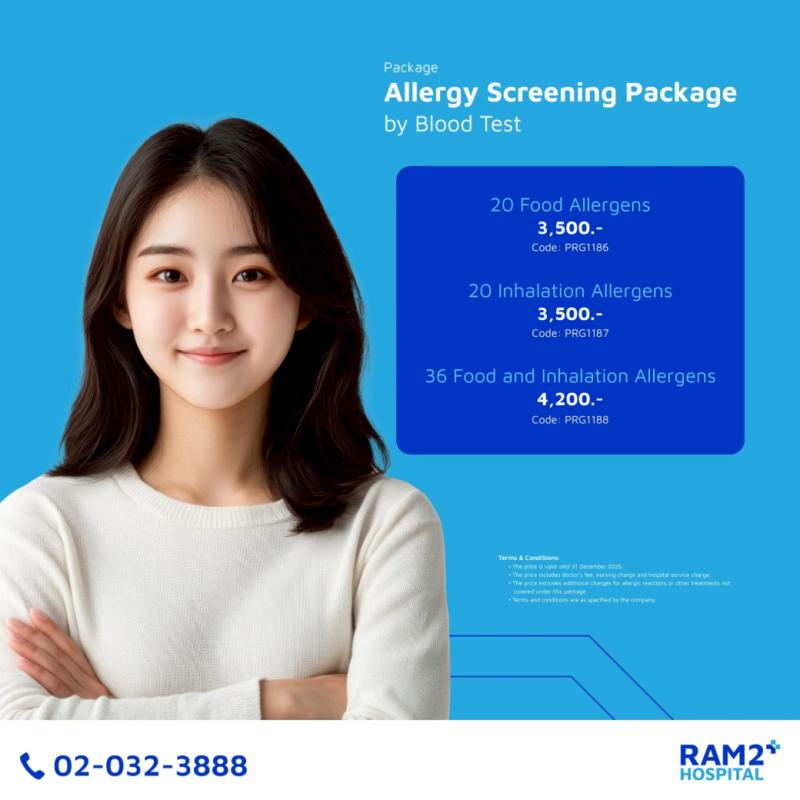
  • Allergy Blood Testing: Laboratory testing to detect specific IgE antibodies for specific food allergens.
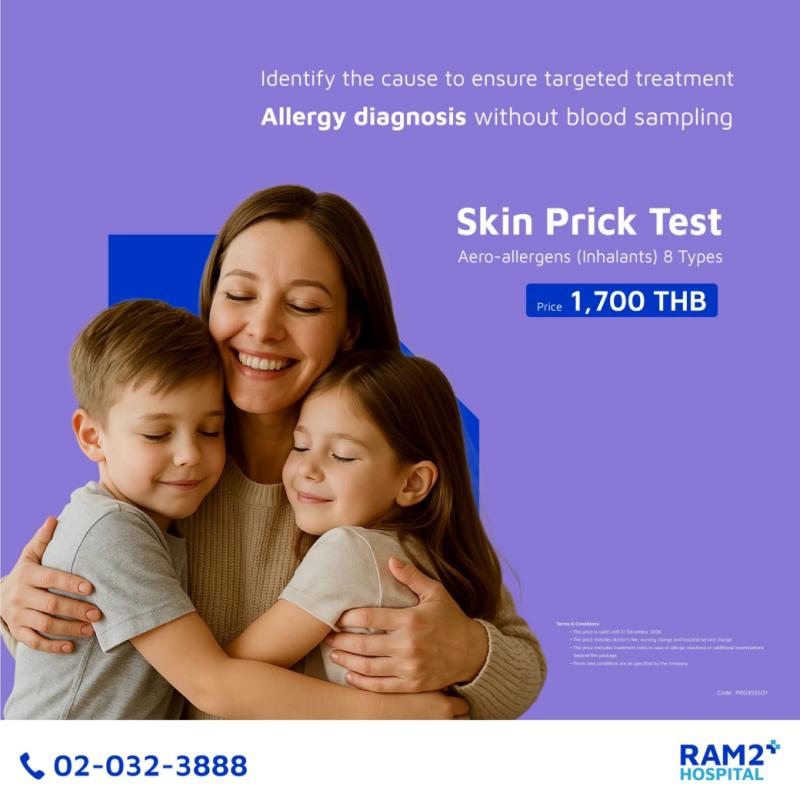
  • Skin testing using a Skin prick test kit to check for IgE antibodies against allergens in the body, followed by a pediatric specialist evaluating the physical reaction to identify specific triggers.
  • Pediatric Food Challenge Test: Administering small amounts of suspected allergenic foods under controlled conditions to observe reactions.


Food Allergy Testing

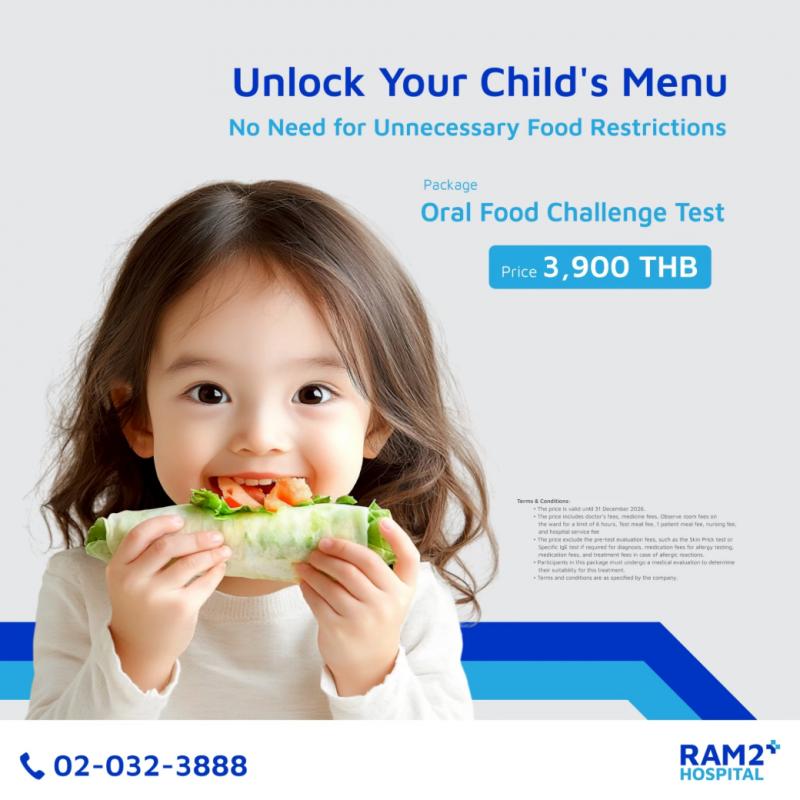
     Food Allergy Testing (Oral Food Challenge Test) is a diagnostic method with high accuracy. Physicians administer small, controlled doses of suspected food to the patient. Once specific allergens are confirmed, targeted treatment follows, allowing patients to potentially reintroduce previously allergenic foods after recovery.

 

Who is Suitable for an Oral Food Challenge Test?

  • Individuals suspected of food allergies whose other diagnostic test results remain inconclusive.
  • Individuals with positive blood or skin prick test results across multiple items, where exact triggers remain uncertain.
  • Individuals with a known history of food allergies. 


Child Food Allergy


To confirm recovery from a food allergy after blood or skin prick tests show a decrease in sensitivity levels.


Preparation Before Testing

  • Maintain good health for at least 1 week prior to testing.
  • Discontinue antihistamines (Antihistamine) for at least 1 week.


Testing Procedure

     The physician begins with a detailed medical history evaluation and assesses immunity against allergenic foods using skin prick or blood tests. The physician then evaluates whether the patient should proceed with an oral food challenge. Initially, the patient ingests a very small portion of the suspect food, with dosages gradually increased every 15-30 minutes under close supervision by a pediatric allergist.


Treatment for Food Allergies in Children

Treatment for pediatric food allergies focuses on supportive symptom management combined with preventive measures, including:


  • Strictly avoiding food allergens. Certain food allergies can be outgrown or successfully resolved over time. 
  • Medication: Antihistamines and supportive drugs prescribed based on the child's body weight, alongside epinephrine auto-injectors (Epinephrine) for severe anaphylactic reactions.


Treatment via Oral Immunotherapy 

Treatment using Oral Immunotherapy is suitable for acute food allergies where strict dietary avoidance is difficult—most commonly involving cow's milk, egg whites, nuts, and wheat.


  • Begins with giving minute quantities of the allergen, gradually increasing dosage to desensitize the immune system over time. If a reaction occurs at a specific dose level, 
  • the pediatric allergist will administer medication to relieve symptoms before reverting to the highest previously tolerated dose.
  • Thereafter, the child consumes that safe dosage daily, with gradual upward adjustments every 2 - 4 weeks.


Prevention and Management of Childhood Food Allergies

  • Closely monitor for physical reactions after introducing new foods.  
  • Teach children how to identify and avoid known food triggers.
  • Carefully read ingredient labels to avoid hidden allergens.
  • Consult a physician regarding foods suspected of triggering allergic symptoms.
  • Self-administered food exposure tests are strongly discouraged, as individual reactivity levels vary significantly. 
  • Never overlook potential allergic symptoms, and maintain constant readiness for emergency treatment.


To reduce the risk of food allergies in unborn children, expectant mothers are advised to consume a well-balanced and varied diet. Mothers experiencing food allergies during pregnancy should consult a physician for appropriate guidance.


Recommend Package


Health Consultation

Google Map go to RAM2 Hopsital