นพ. เสฏฐวุฒิ เทพหนู
อายุรศาสตร์โรคระบบทางเดินอาหาร ( Gastroenterology )



Hard stools, difficulty passing stools, incomplete bowel movements, or going long periods without a bowel movement may be signs of chronic constipation. This condition is treatable if you understand the symptoms and simple prevention methods that can be applied in daily life.
What should you eat or how should you adjust your lifestyle if you suffer from chronic constipation? Our doctor would like to share insights so you can handle it in time when symptoms arise.
Chronic Constipation is a condition caused by slow intestinal contractions or movement, preventing waste from being eliminated in a timely manner. When stool remains in the colon for a long time, it becomes hard and dry, making bowel movements difficult and potentially leading to further complications.
Chronic constipation can be caused by various factors, including:
When at least two of these warning signs occur continuously, it may indicate chronic constipation:
If symptoms such as alternating constipation and diarrhea, bloating, tightness, and bloody stools are not properly treated by a physician, they can potentially progress to colorectal cancer and other complications that negatively impact long-term health.
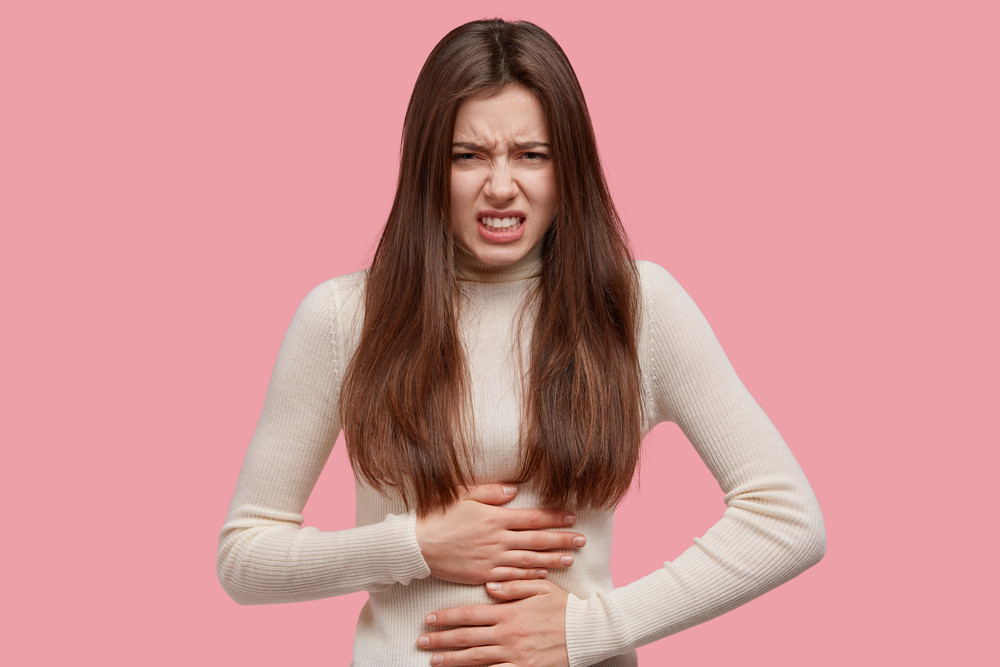
In addition to developing hemorrhoids, bloody stools, and anal fissures, the pelvic floor muscles can weaken. This weakness may pull on the sphincter nerves, leading to fecal incontinence or rectal prolapse later on.
Doctors will start by taking a detailed medical history and conducting an initial physical examination to evaluate the condition. Tests may include a digital rectal examination, blood tests, colonoscopy, CT scan, or a balloon expulsion test.

For more information, please contact
 Gastroenterology Department 1st Floor
Email: information@ram2-hosp.com
Line Official: @ram2
Tel: 02-032-3888, 095-771-9739
Recommended Gastroenterologists

Dr. Ratthaya Janyajirawong
Gastroenterologist & Hepatologist
Ramkhamhaeng 2 Hospital

Recommended Packages

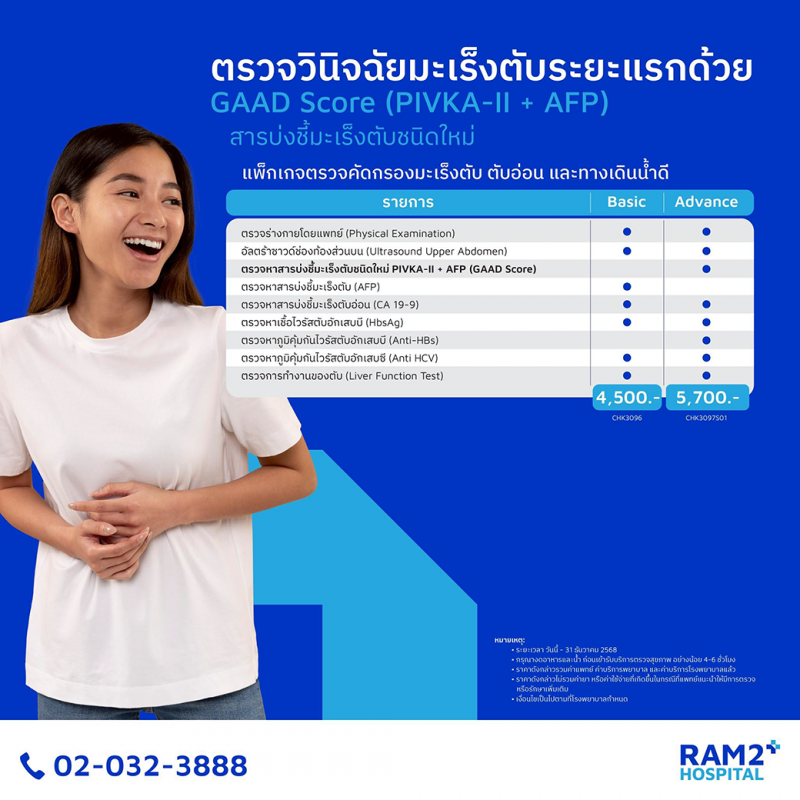


Executive Wellness Health Check-up Package (Female) With Gastroscopy & Colonoscopy

อายุรศาสตร์โรคระบบทางเดินอาหาร ( Gastroenterology )

อายุรศาสตร์โรคระบบทางเดินอาหาร