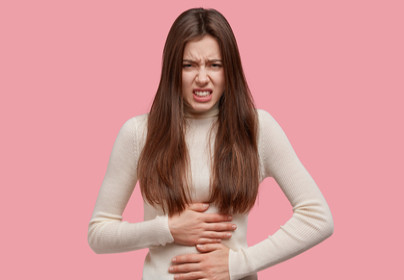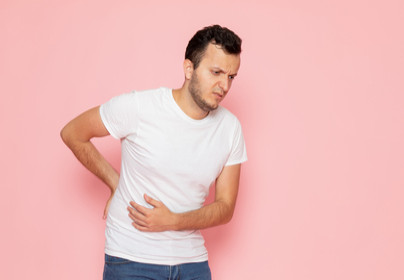
Gastroesophageal Reflux Disease (GERD: Gastro-Esophageal Reflux Disease) is a condition where stomach acid or digestive juices abnormally flow back up into the lower esophagus, causing irritation and inflammation of the esophageal lining.
Symptoms and Signs of GERD
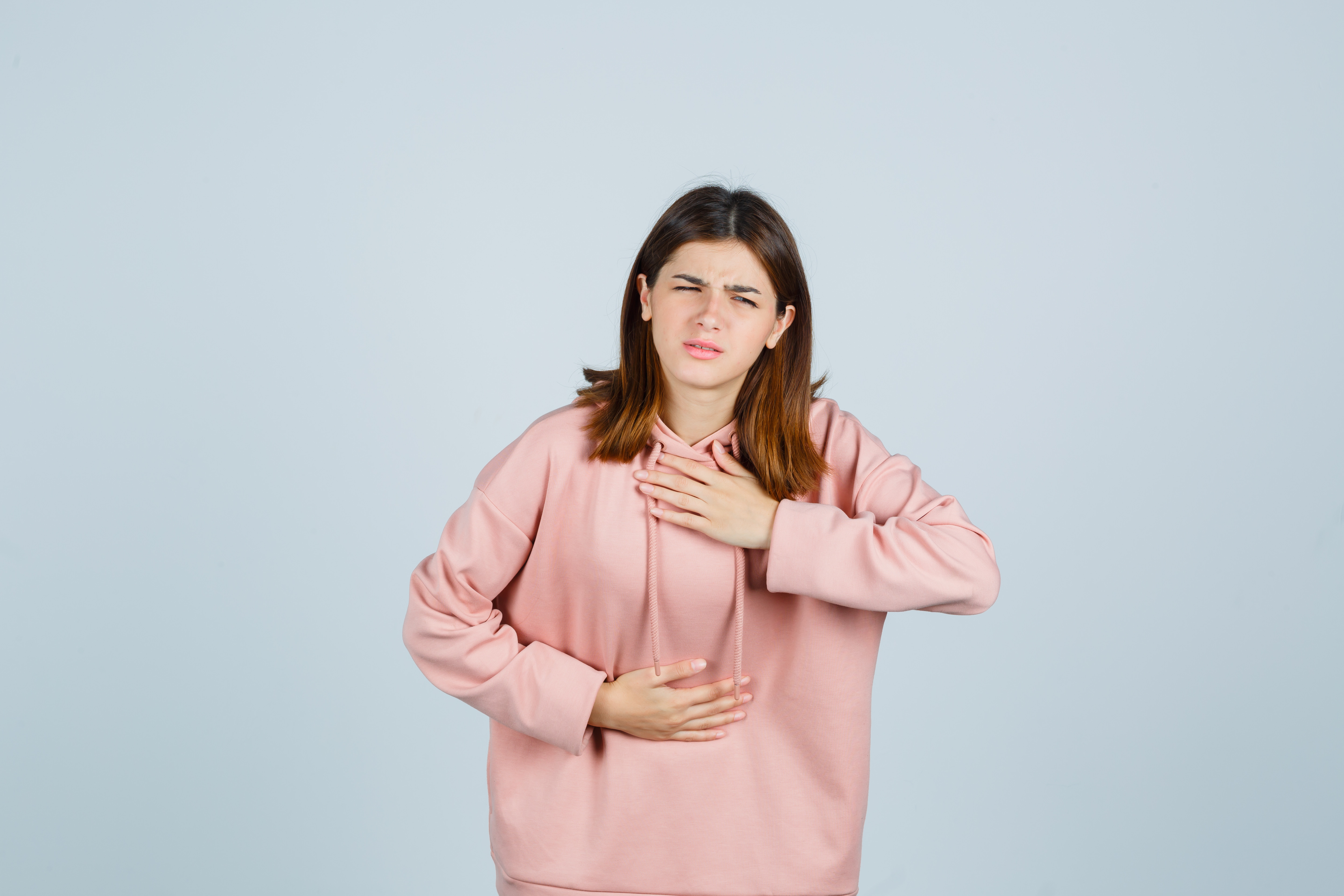
- Heartburn: A burning sensation or heat behind the breastbone radiating up to the chest or throat.
- Acid regurgitation: Or food regurgitation, with a sour or bitter taste of bile flowing back into the mouth.
- Tightness in the chest/throat: Feeling like a lump is stuck in the throat, difficulty swallowing.
- Extra-esophageal symptoms: Chronic cough, hoarseness, sore throat.
Incidence and Prevalence of GERD
Recent studies show an incidence of approximately 10% of the population, which has increased from the past (when previous surveys found only about 5%). GERD can occur in all genders and ages, with details across age groups and genders as follows:
1. Working-age adults and middle-aged adults (Aged 30 - 50 years)
This group has the highest rate of GERD due to lifestyle habits, stress, rushing, and irregular eating patterns of modern workers.
2. Individuals aged 40 and over
The incidence rate continuously increases along with bodily degeneration and the weakening of the stomach sphincter.
3. Infants and young children
GERD can also be commonly found (GERD) (occurring in about 40% of infants), but most cases improve and resolve on their own as they grow up (around 1 year old).
Causes of GERD
- The lower esophageal sphincter fails to close completely or relaxes at inappropriate times, allowing stomach acid to flow back up easily.
- The esophagus or stomach contracts slower than normal, causing food and acid to remain in the stomach longer.
Triggers for Acid Reflux
1. Physical conditions and underlying diseases
- Overweight or obesity: Increases intra-abdominal pressure, causing the lower esophageal sphincter to open more easily.
- Pregnancy: Due to hormonal changes and increased intra-abdominal pressure corresponding to gestational age.
- Hiatal Hernia (Hiatal Hernia): A condition where part of the stomach pushes up through the diaphragm, causing the sphincter to malfunction.
- Connective tissue disorders: Such as scleroderma (Scleroderma), which reduces esophageal motility.
- Delayed stomach emptying (Gastroparesis): Causes food to stay in the stomach longer than usual.
2. Lifestyle and dietary habits
- Smoking: Nicotine relaxes the lower esophageal sphincter.
- Lying down immediately after eating: Should wait at least 3 hours before sleeping.
- Eating large meals: Causes the stomach to expand significantly and increases pressure.
- Certain foods and drinks:
- High-fat foods, fried foods
- Alcohol, tea, coffee, and carbonated drinks
- Spicy, very sour, or very hot foods
- Chocolate and peppermint
3. Use of certain medications
- Muscle relaxants
- Pain relievers in the NSAIDs group, such as aspirin, ibuprofen
- Certain blood pressure medications, such as Calcium Channel Blockers
- Sedatives or sleeping pills
Treatment of GERD
1. Lifestyle modification (most important and can be done immediately)
- After eating: Do not lie down immediately; wait at least 3 hours before sleeping.
- Sleeping posture: Elevate the head of the bed by about 6-8 inches or sleep on your left side to help prevent acid reflux.
- Eating habits: Divide meals into smaller, frequent meals throughout the day, chew thoroughly, and do not eat until overly full.
- Foods to avoid: Spicy foods, fatty/fried foods, processed foods, chocolate, and citrus fruits.
- Drinks: Avoid alcohol, tea, coffee, and carbonated beverages.
- Clothing: Avoid wearing clothes that are too tight around the abdomen.
- Lifestyle: Quit smoking, manage weight, and cope with stress.
2. Medication (under the guidance of a doctor or pharmacist)
Medications used for treatment are categorized into different levels according to severity.
- General antacids and H2-Blockers such as Cimetidine, Famotidine, or mucosal protective agents that help create an acid-barrier gel.
- Proton Pump Inhibitors (PPIs) such as Omeprazole, Esomeprazole, which are primary medications to heal ulcers and reduce acid effectively, used consecutively for 2-4 weeks or as prescribed by a physician.
- Prokinetics: To help food move down into the stomach faster.
3. Surgical treatment or endoscopy, and indications for surgery
1) Medication resistance or poor response to drugs
Symptoms such as heartburn, acid regurgitation, or extra-esophageal symptoms (e.g., chronic cough, asthma, laryngitis) do not improve despite taking appropriate doses of Proton Pump Inhibitors (PPIs) for an extended period.
2) Intolerance to medication or unwillingness to take medication for life
Patients who respond well to medication but wish to treat the root cause to avoid lifelong acid-reducer use or experience side effects from long-term drug use.
3) Structural/Sphincter Failure (Structural/Sphincter Failure)
The Lower Esophageal Sphincter - LES has deteriorated or fails to close, or there is a large Hiatal Hernia present.
4) Aspiration or severe complications
Acid or food flows back into the respiratory tract, causing pneumonia, chronic cough, or severe reflux esophagitis (Severe Reflux Esophagitis), esophageal stricture, or Barrett's Esophagus.
5) Patients with severe morbid obesity (Morbid Obesity)
In cases where patients have both GERD and obesity, weight-loss surgery such as Roux-en-Y Gastric Bypass may be considered, which treats both body weight and acid reflux simultaneously.