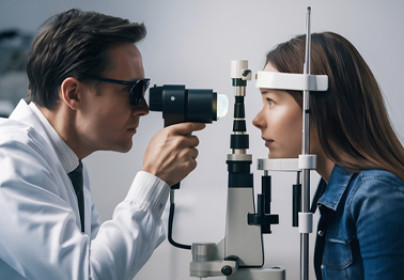
Many people may not be familiar with the meibomian glands, which are essential for producing high-quality tears. These glands help moisturize and coat the eyes, serving as the first line of defense against dust and germs. Therefore, they are important organs that require proper care to maintain healthy eyes.
Meibomian Glands
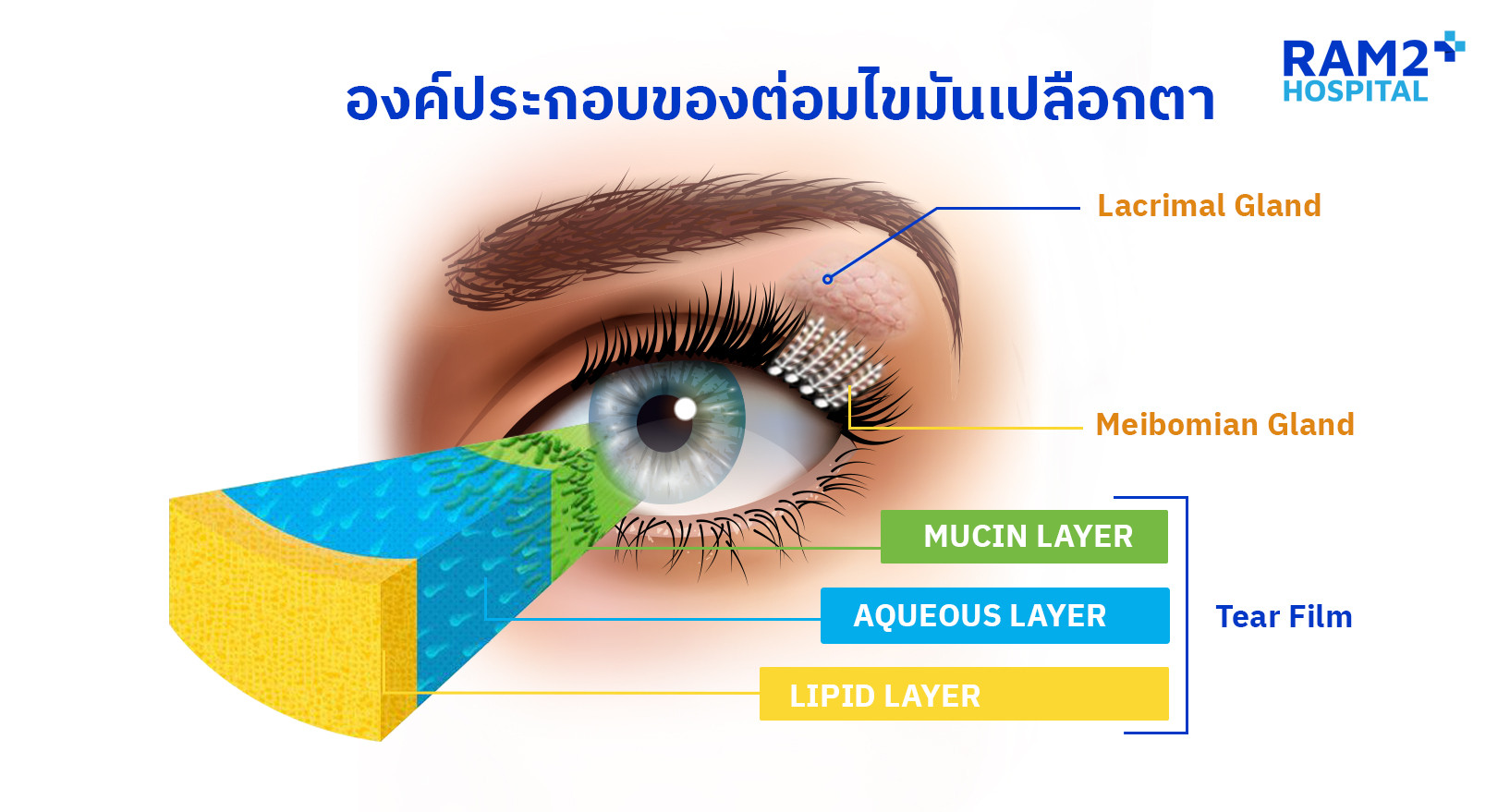
These are oil glands arranged along the upper and lower eyelids, with openings at the base of the eyelashes. Their function is to produce and secrete oil that coats the surface of the eye, forming the outermost layer of the tear film (lipid layer). This layer prevents evaporation of the aqueous layer and helps maintain tear balance, keeping the eyes moist.
Meibomian Gland Dysfunction (MGD)
This refers to any abnormality in the meibomian glands that causes improper oil secretion. The oil produced becomes cloudy and thick, leading to blockage at the gland openings along the eyelid margin. When less oil is secreted to coat the tear film, tears evaporate more easily, resulting in dry eyes. The thickened oil can also form hard deposits along the eyelid margin, causing irritation and increasing the risk of bacterial infection and eyelash mites.
Risk Factors for Meibomian Gland Blockage
- Eye diseases: such as anterior blepharitis, infections, or allergic conjunctivitis
- Systemic diseases: such as aging, menopause, psoriasis, high blood pressure, or benign prostatic hyperplasia
- Side effects from medications: such as glaucoma medications, certain oral medications like female hormones, antihistamines, or antidepressants
- External factors: wearing contact lenses, reduced blinking (especially when using mobile phones or computers), use of eye cosmetics, environmental factors, and air pollution (PM 2.5, dust, smoke)
Ocular Symptoms
- Light sensitivity, stinging eyes
- Eye irritation, itching, or a foreign body sensation
- Watery eyes
- Frequent eyelid inflammation
- Noticeable white bumps on the eyelids

Treatment Guidelines for Meibomian Gland Dysfunction
- Adjust risky behaviors: Reduce screen time or take regular breaks by closing your eyes for 5–10 minutes or looking into the distance. Blink regularly.
- Use eye drops: Artificial tears help moisturize and wash away small particles from the eyes.
- Eyelid care: This is essential to help dissolve and expel thickened oil, improving the effectiveness of the oil layer and reducing tear evaporation and dry eye symptoms.
- Warm compresses: Start by applying a warm compress to the eyelids to reduce viscosity and dissolve the oil blocking the gland openings. This can be done with basic tools such as a hot gel pack, a towel/cotton pad soaked in warm water, a cloth-wrapped boiled egg, a stainless steel spoon soaked in warm water, or medical devices like Blephasteam. The ideal temperature is about 40–45°C, applied for 10–15 minutes. If using a hot gel pack, be careful not to overheat it to avoid eye injury. It is recommended to use a warm towel first before applying the hot gel pack.
- Eyelid massage: Helps express the blocked oil from the glands. Use your finger to gently pull the outer corner of the eye to stretch the eyelid, then use another finger or a cotton swab to massage the eyelid. For the upper eyelid, look down and massage from top to bottom; for the lower eyelid, look up and massage from bottom to top. Apply moderate pressure and massage from the inner to the outer corner of the eye.
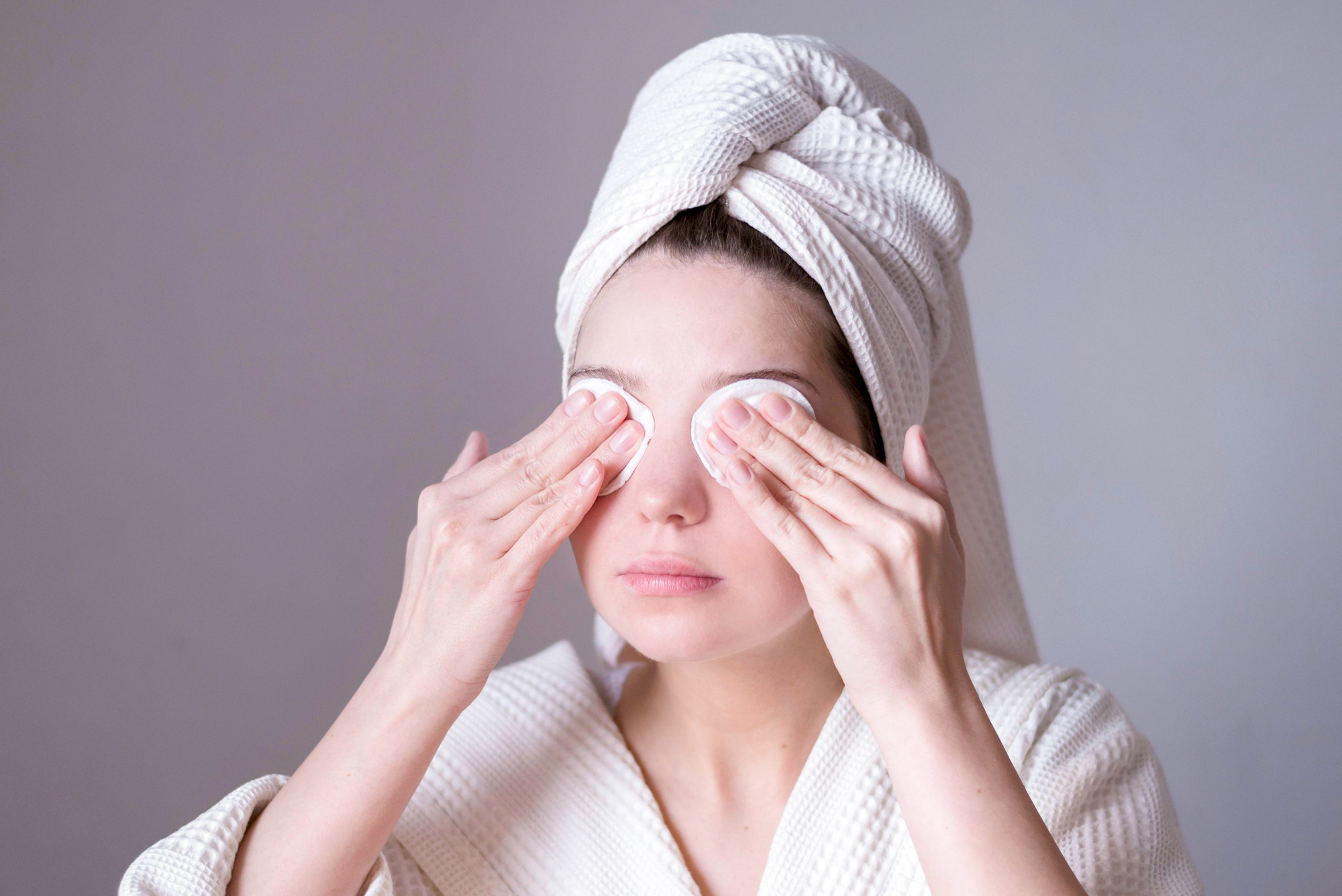
- Eyelid cleansing: Use a cotton pad soaked in warm water mixed with baby shampoo (ratio 1:1) or a special eyelid cleansing foam. Wipe the eyelid margin and base of the eyelashes clean 1–2 times a day.
Summary
Meibomian gland blockage can be treated and normal function restored by regularly applying warm compresses and cleaning the eyelids properly. However, blockages may recur if risk factors persist, so consistent eye care is crucial. If left untreated, the condition may worsen, causing the glands to lose their function and atrophy, leading to complications such as severe and chronic dry eyes or frequent eye infections.
Therefore, if you experience abnormal dry eyes or eye irritation, you should promptly consult an ophthalmologist for diagnosis and timely treatment.
For more information, please contact:
Ophthalmology Department, 1st Floor, RAM 2 Hospital
Email: information@ram2-hosp.com
Line Official: @ram2
Tel: 02-032-3888