
Dr. MONTANA SUPAWONGWATTANA
Ophthalmology



Cataracts are the leading cause of global vision impairment and blindness, often linked to aging. Many patients seek treatment only when their cataracts are "ripe," leading to severe vision loss and making surgery more complex with higher complication risks.
Thailand's aging population, with over 14% elderly in 2022 and projected to exceed 20% by 2030, highlights the increasing importance of health awareness. This demographic shift underscores the rising prevalence of age-related conditions like cataracts.
Cataracts refer to the clouding of the eye's natural lens, caused by changes in lens proteins. This clouding reduces light passage to the retina. Other "tah" conditions like glaucoma and pterygium are distinct from cataracts.
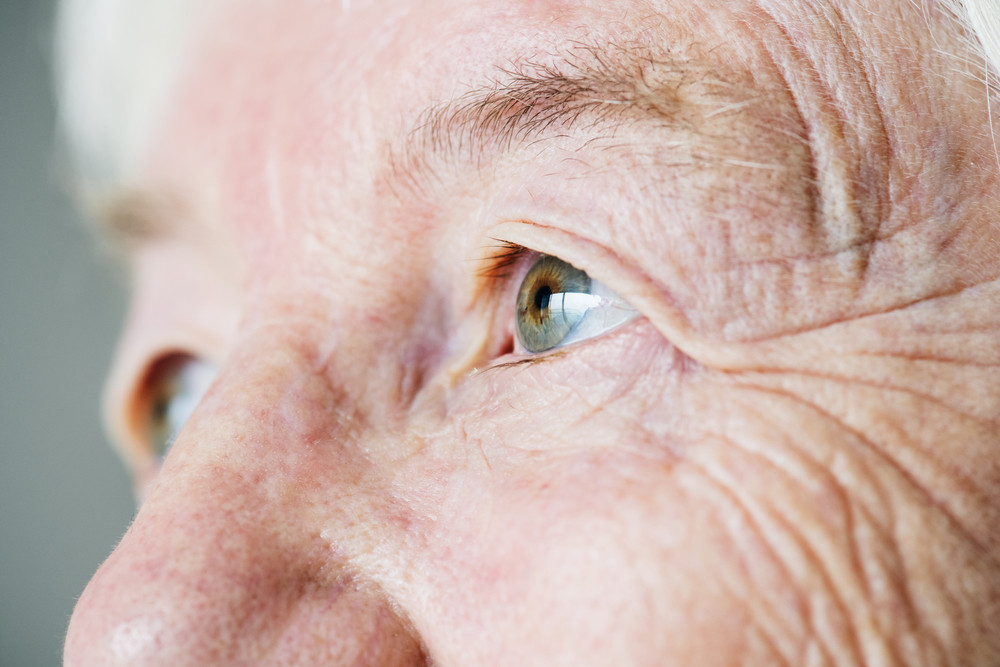
Cataracts primarily stem from aging, typically affecting individuals over 50. Genetic factors can also cause cataracts, sometimes present from birth due to conditions like German measles or herpes virus infection during pregnancy.
Risk factors include eye injury or trauma, certain eye diseases (e.g., inflammation) or previous eye surgery, and prolonged UV exposure. Long-term use of steroids (oral or eye drops), head radiation, chemotherapy, and underlying conditions like diabetes or high blood sugar can also accelerate development. Smoking is another significant contributor.
Common symptoms include blurry or hazy vision, double vision in one eye, and increased light sensitivity with glare, especially at night. Patients may also experience reduced or distorted color perception, which can make it difficult to distinguish colors or brightness levels.
If you experience visual changes, consult an ophthalmologist promptly. Diagnosis involves vision tests, refraction, intraocular pressure measurement, and pupil dilation to assess the cataract and retina. Accurate diagnosis helps differentiate from other causes of blurred vision and guides appropriate treatment planning.
Non-surgical management is an option for early cataracts that don't significantly impair daily life. Lifestyle adjustments and avoiding risk factors can slow progression.
Regular eye exams, wearing UV-filtering sunglasses, and avoiding excessive bright light are crucial. Quitting smoking and protecting eyes from injury (e.g., safety glasses during hazardous activities) are also vital. Consistently managing underlying conditions like diabetes helps control blood sugar.
Cataract surgery is typically recommended when vision loss interferes with daily activities, or if the cataract is "ripe" or causes complications like inflammation or high eye pressure. There are two main surgical methods.
This traditional method is used for very dense, mature cataracts that cannot be dissolved by a machine. It involves a larger incision (about 10 mm) to remove the lens and insert an intraocular lens, requiring sutures. Due to the larger incision, surgery and recovery times are longer.
This minimally invasive technique uses ultrasound to break up the cataract through a small incision (around 3 mm), taking 30-60 minutes. It can correct nearsightedness, farsightedness, and astigmatism with appropriate foldable lenses. Patients recover quickly at home, but this method is only suitable for cataracts that are not yet "ripe."
Delaying treatment can lead to severe, irreversible damage and long-term visual impairment.
For more information, please visit: https://eyewiki.org/Cataract
For more information, please contact
 Ophthalmology Department, 1st Floor
Email: information@ram2-hosp.com
Line Official: @ram2
Tel: 02-032-3888
Ophthalmology

Ophthalmology
Ophthalmology