Messenger

Allergic Conjunctivitis: Causes, Treatments and Preventions

October 23 / 2026

allergic conjunctivitis


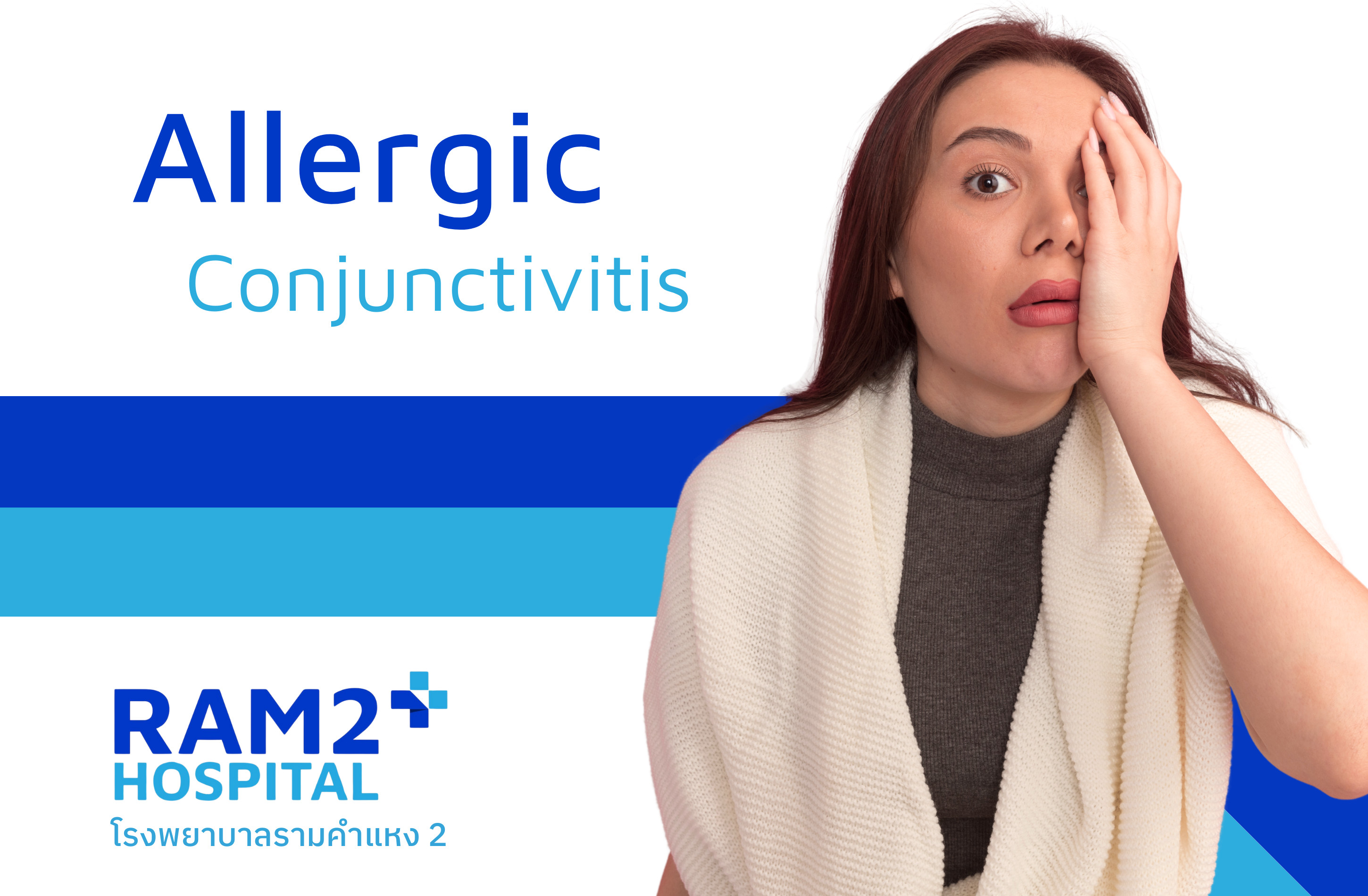
     Allergic conjunctivitis is an inflammatory response of the conjunctiva to specific allergens, affecting 10-20% of the general population. It can impact the cornea and may be accompanied by nasal symptoms (allergic rhinoconjunctivitis). The severity ranges from mild to severe, potentially causing complications and vision loss, especially in chronic or untreated cases.


Types of Allergic Conjunctivitis

1. Localized Allergic and Inflammatory Responses of the Conjunctiva

  • Acute allergic conjunctivitis: typically manifests within 24-48 hours of allergen exposure (e.g., cat dander, cat hair), presenting with severe redness, itching, tearing, and eyelid swelling.
  • Seasonal allergic conjunctivitis: is usually mild, affects both eyes concurrently, and recurs annually, often triggered by pollen or grass.
  • Perennial allergic conjunctivitis: occurs year-round due to constant exposure to allergens such as dust, dust mites, animal dander, or mold.


2. Allergic and Inflammatory Responses of the Conjunctiva and Cornea

These conditions are generally more severe and complex to diagnose and treat.


  • Vernal keratoconjunctivitis (VKC): is prevalent in children aged 11-13, with symptoms worsening during spring and summer.
  • Atopic keratoconjunctivitis (AKC): is associated with asthma and eczema, often with a family history of these conditions. Allergic reactions can occur in any season, and allergen exposure exacerbates symptoms.
  • Giant papillary conjunctivitis (GPC): is common in contact lens wearers or individuals who have undergone ocular surgery with conjunctival sutures. Untreated, it can lead to eyelid abnormalities, swelling, or ptosis.


Symptoms of Allergic Conjunctivitis

Symptoms include:


  • Ocular itching and irritation
  • Sensation of a foreign body in the eye
  • Burning sensation and excessive tearing
  • Blurred vision, potentially with astigmatism
  • Redness and inflammation or infection of the conjunctiva
  • Persistent eye discharge
  • Swollen, red eyelids, or dark lower eyelids


allergic conjunctivitis


Causes and Risk Factors

Allergic conjunctivitis results from the body's immune response to allergens, leading to histamine release. Common allergens include:


  • Dust
  • Smoke
  • Pollen
  • Mold
  • Animal dander
  • Dust mites
  • Chemicals in cosmetics, cleaning products, and personal care items


Diagnosis of Allergic Conjunctivitis

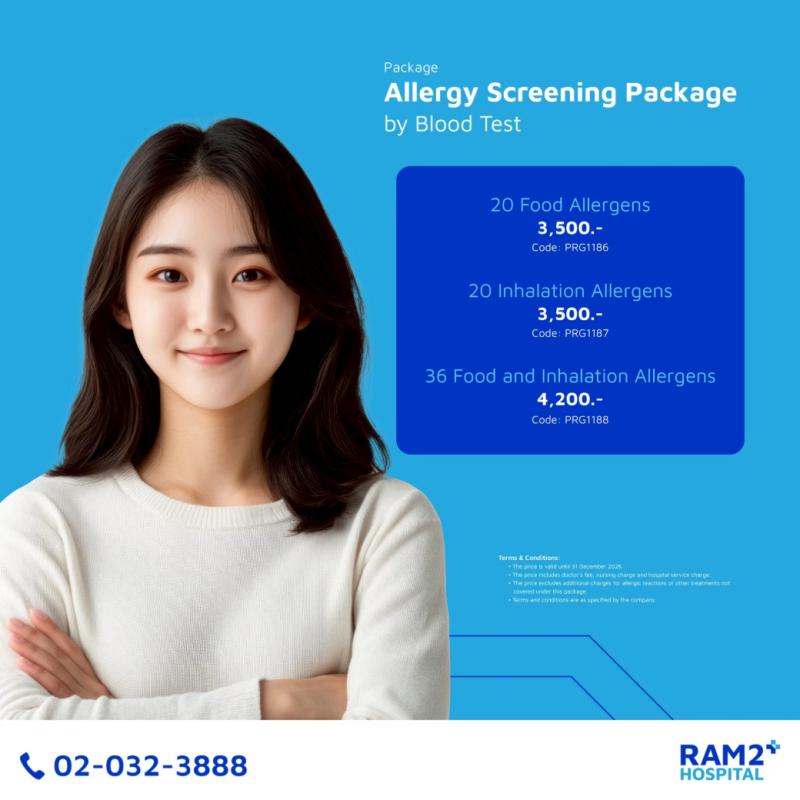
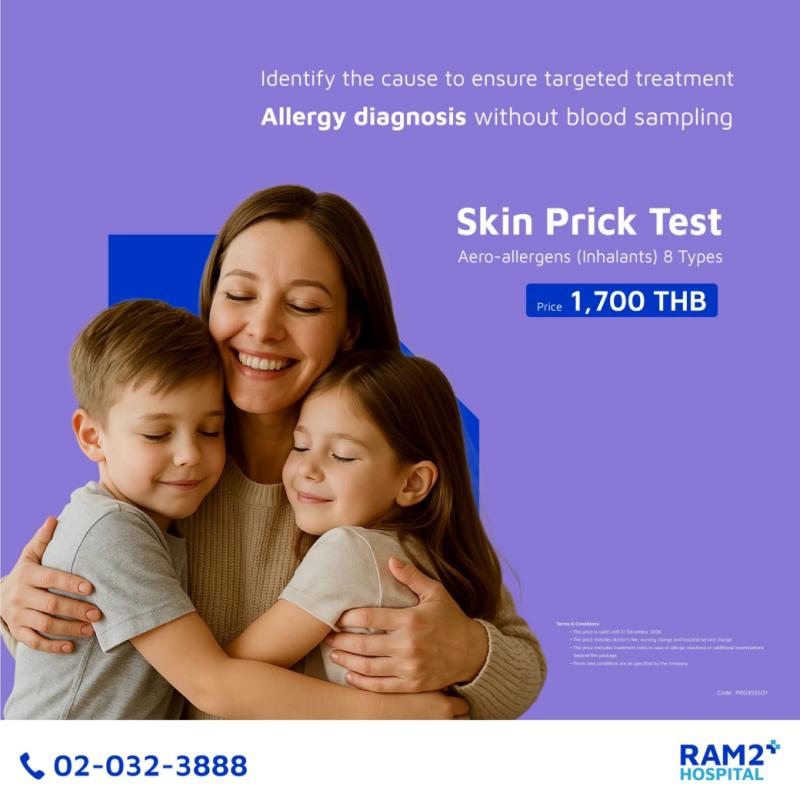
Ophthalmologists diagnose allergic conjunctivitis based on the signs and symptoms of conjunctival and corneal inflammation. Skin prick allergy tests may be performed to identify specific allergens.


Treatment of Allergic Conjunctivitis

The primary treatment for allergic conjunctivitis is allergen avoidance. Management strategies involve two main approaches:


1. Reducing Allergen Exposure

     Maintain a clean living environment by regularly changing bedding, using air purifiers in enclosed spaces, and wearing masks and protective eyewear outdoors. Self-care measures include avoiding eye rubbing, applying cold compresses to alleviate irritation, washing hands before touching eyes, and minimizing scented product use.


2. Pharmacological Treatment

     Ophthalmologists select treatments based on disease severity and complications. Chronic, untreated cases can lead to vision loss.


Common ophthalmic medications for allergic conjunctivitis include:

  • Antihistamine eye drops: Inhibit histamine release.
  • Antiallergic eye drops*: Provide long-term symptom control.
  • Anti-inflammatory eye drops*
  • Steroid-containing eye drops*: Reduce inflammation.
  • Oral antihistamines: Recommended when systemic allergic symptoms (e.g., runny nose, cough, sneezing, skin rash) are present.


**These medications should only be used under an ophthalmologist's guidance.


Individuals experiencing symptoms of allergic conjunctivitis should avoid allergens and seek prompt medical attention for appropriate diagnosis and treatment to prevent potential complications.


For more information, please contact
 Ophthalmology Department 1st Floor, RAM 2 Hospital 
Email:
information@ram2-hosp.com
Line Official: @ram2
Tel: 02-032-3888


Recommended Packages


Health Consultation

Google Map go to RAM2 Hopsital